
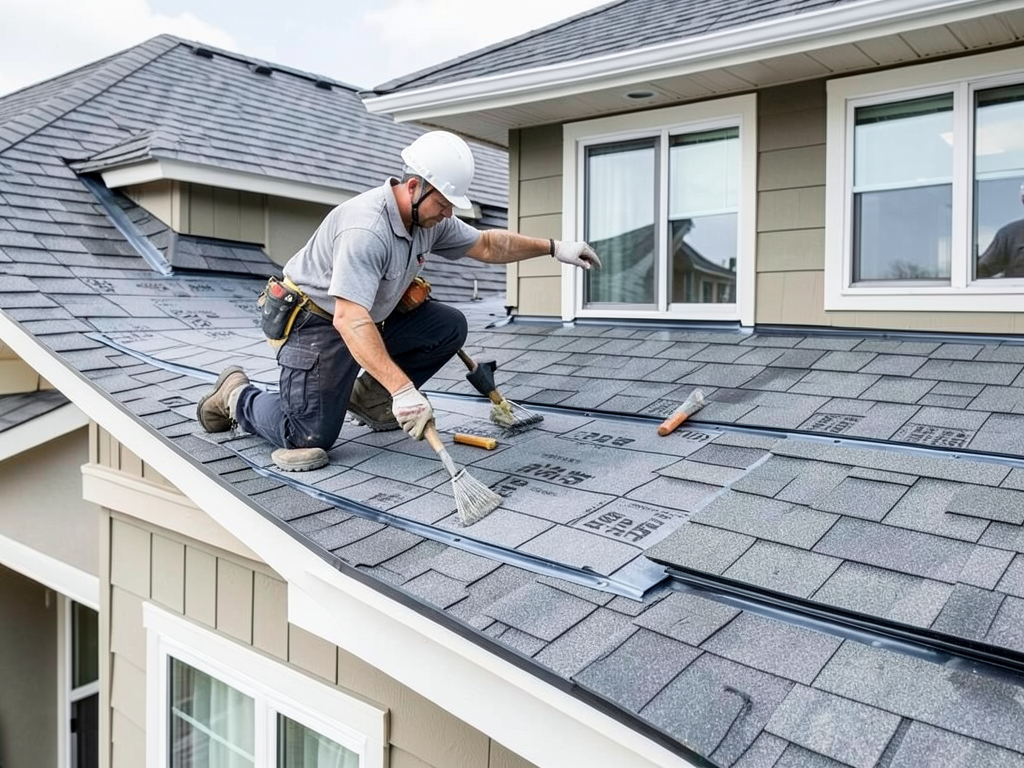
Modern Roofing Solutions for New Townhomes in Wedgewood Houston
New townhome developments in Nashville’s Wedgewood Houston neighborhood face unique roofing challenges. The area’s rapid growth brings modern construction methods but also exposes buildings to Middle Tennessee’s severe weather patterns. From heavy spring storms to intense summer heat, your roof needs materials and installation that can withstand local conditions while maintaining the neighborhood’s industrial-chic aesthetic. Tennessee Construction Industry Licensing Board.
Local building codes require specific wind ratings and underlayment standards for structures in Davidson County. Most new townhome complexes in WeHo fall under Metro Nashville’s Unified Development Code, which mandates Class 3 or higher impact-resistant shingles in many zones. These requirements protect both individual properties and the community investment in this revitalized area.
The neighborhood’s mix of converted warehouses and new construction creates interesting roofing demands. Many townhome owners want materials that complement the area’s historic brick facades while providing modern energy efficiency. Metal roofing systems and architectural shingles have become popular choices that balance durability with visual appeal. Roofing La Vergne.
Water management proves critical in WeHo’s urban setting. Proper flashing around parapet walls and rooftop HVAC units prevents costly interior damage. Most new townhome developments require enhanced drainage systems to handle sudden downpours common in Middle Tennessee. These systems must integrate seamlessly with the building’s modern design. Solving Common Flat Roof Leaks for Downtown Nashville Condos.
Local contractors familiar with Wedgewood Houston understand the area’s specific needs. They know which materials perform best in Nashville’s humidity and can navigate the permit process efficiently. Experience with similar projects means faster installation and fewer surprises during construction.
Energy efficiency matters in Nashville’s climate. Cool-roof technology and proper ventilation reduce cooling costs during hot Tennessee summers. Many new townhome developments incorporate these features from the start, but existing buildings often need upgrades to meet current standards.
Insurance considerations affect material choices in WeHo. Many carriers offer premium discounts for impact-resistant shingles or metal roofing in Tennessee. These savings can offset the initial investment in higher-quality materials over time.
Call (615) 640-4994 today to schedule your inspection and learn which roofing solutions work best for your Wedgewood Houston townhome.
Popular Roofing Materials for Nashville Townhomes
Choosing the right material affects both performance and appearance. Here’s how different options compare for new townhome construction in Middle Tennessee: Choosing Between Shingles and Metal for Your New Hendersonville Roof.
| Material Type | Cost Range (per sq ft) | Lifespan | Best For |
|---|---|---|---|
| Asphalt Architectural Shingles | $3.50 – $5.50 | 25-30 years | Most townhome developments |
| Metal Standing Seam | $8.00 – $12.00 | 40-50 years | Modern designs, energy efficiency |
| Concrete Tiles | $6.00 – $9.00 | 30-50 years | Mediterranean-style buildings |
| Composite Materials | $4.50 – $7.00 | 30-40 years | Eco-conscious developments |
Architectural asphalt shingles dominate new construction due to their balance of cost and performance. They meet local building codes while offering good wind resistance for Tennessee’s storm season. Premium options include algae-resistant coatings that prevent black streaks common in humid climates.
Metal roofing provides excellent longevity and energy savings. The reflective properties reduce heat absorption, lowering cooling costs during Nashville’s hot summers. Modern standing seam systems integrate well with contemporary townhome designs popular in WeHo.
Installation quality matters as much as material selection. Poor installation voids warranties and creates leak points. Local contractors understand Nashville’s specific requirements for underlayment, flashing, and ventilation systems.
Weather Considerations for Middle Tennessee Roofs
Nashville experiences weather extremes that test roofing systems. Spring brings severe thunderstorms with hail and high winds. Summer heat creates thermal expansion that stresses materials. Winter includes occasional ice storms that can damage older roofs.
Hail damage affects most roofs in Middle Tennessee every few years. Class 3 or 4 impact-resistant shingles provide better protection than standard materials. These ratings indicate the shingle’s ability to withstand falling objects without cracking or breaking.
Wind resistance becomes critical during tornado season. Most Nashville building codes require shingles rated for 110+ mph winds. Higher ratings may be necessary for buildings near open areas or on hilltops.
Humidity creates unique challenges in WeHo. Moisture trapped under roofing materials causes rot and mold growth. Proper ventilation and moisture barriers prevent these issues. Many new townhome developments incorporate ridge vents and soffit ventilation systems.
Freeze-thaw cycles in winter stress roofing components. Water seeps into small cracks, freezes, expands, and creates larger openings. Quality installation prevents this cycle from causing major damage.
Call (615) 640-4994 for a weather assessment of your townhome’s roofing system.
Energy Efficiency and Modern Roofing
Energy costs continue rising in Tennessee. Modern roofing solutions can significantly reduce cooling expenses during Nashville’s hot summers. Cool-roof technology reflects solar radiation, keeping buildings cooler and reducing HVAC strain.
Light-colored or specially coated shingles can reduce roof surface temperatures by 50-60 degrees compared to standard dark materials. This translates to 10-15% lower cooling costs during peak summer months. Expert Slate and Tile Roof Restoration in Belle Meade.
Proper attic ventilation prevents heat buildup that damages roofing materials. Most building codes require minimum ventilation ratios based on square footage. Inadequate ventilation voids many manufacturer warranties.
Solar-ready roofing systems accommodate future panel installation. Many new townhome developments in WeHo include this preparation, recognizing Nashville’s growing solar adoption. The additional cost proves minimal compared to retrofitting later.
Insulation quality affects roofing performance. Poor insulation allows heat transfer that makes cooling systems work harder. Many building inspectors now check attic insulation during roofing inspections.
Green roofing options include living roofs and solar tiles. While more common in commercial buildings, some luxury townhome developments incorporate these features. They provide excellent insulation and reduce stormwater runoff.
Energy-efficient roofing materials often qualify for tax credits or utility rebates. Check current programs through TVA or local utilities before making final material selections.
Installation Process for New Townhomes
Professional installation ensures your roofing system performs as designed. The process typically follows these steps:
- Permit Acquisition
Contractor obtains necessary permits from Metro Nashville. This includes submitting plans that meet local building codes and obtaining inspections at key stages.
- Material Delivery and Staging
Materials arrive on-site with proper storage to prevent damage. Roofing underlayment, flashing, and accessories must be kept dry and protected.
- Deck Preparation
Existing roof removal (if applicable) and deck inspection. Damaged decking gets replaced to provide solid foundation for new materials.
- Underlayment Installation
Waterproof underlayment goes on in overlapping layers. Ice and water shield installs in valleys and around penetrations where leaks commonly occur.
- Flashing and Accessories
Drip edges, valley flashing, and vent boots install before shingles. Proper flashing prevents 90% of potential leak points.
- Shingle or Material Installation
Main roofing material installs according to manufacturer specifications. Each type has specific nailing patterns and overlap requirements.
- Final Inspection and Cleanup
Building inspector reviews installation. Contractor cleans site thoroughly, removing all debris and nails using magnetic sweepers.
Timeline varies based on weather and project complexity. Most townhome developments complete roofing in 1-2 weeks once installation begins. Weather delays are common during Nashville’s storm season.
Quality control checkpoints occur throughout installation. Inspectors check nailing patterns, flashing details, and ventilation systems. These inspections prevent costly rework later.
Post-installation maintenance extends roof life significantly. Annual inspections catch minor issues before they become major problems. Many contractors offer maintenance plans for new installations.
Local Building Codes and Permits
Davidson County enforces specific roofing requirements through Metro Codes. Understanding these regulations prevents costly mistakes and ensures your installation passes inspection.
Permit requirements include detailed plans showing materials, ventilation, and structural elements. Most residential roofing permits cost $150-300 depending on project scope. Commercial projects require additional approvals. Reliable Residential Roofers Serving East Nashville and Inglewood.
Wind ratings must meet or exceed local standards. Most Nashville areas require Class D or higher shingles, rated for 110+ mph winds. Some zones near open areas need higher ratings.
Fire ratings affect material choices in certain areas. Class A fire ratings provide best protection and often qualify for insurance discounts. Most asphalt shingles meet this standard.
Energy codes require minimum insulation values and ventilation ratios. These requirements vary based on building type and location within Davidson County.
Historic district regulations may restrict material choices in certain WeHo areas. Buildings near converted warehouses often need materials that complement existing architecture.
Inspections occur at multiple stages. Pre-installation checks verify deck condition. Mid-installation inspections confirm proper underlayment and flashing. Final inspections ensure complete compliance.
Call (615) 640-4994 to schedule a code compliance review for your townhome roofing project.
Maintenance and Longevity
Regular maintenance extends roof life and prevents costly repairs. Most manufacturers recommend annual inspections, but Nashville’s climate may require more frequent checks.
Debris removal prevents moisture retention that damages roofing materials. Leaves, branches, and dirt trap water against shingles. This causes premature aging and creates moss growth opportunities.
Flashing inspections identify potential leak points before damage occurs. Loose or corroded flashing around chimneys, vents, and valleys causes most roof leaks. These issues cost far less to fix early.
Gutter maintenance affects roof performance. Clogged gutters cause water backup under shingles. This leads to rot in decking and fascia boards. Clean gutters at least twice yearly, more often if trees overhang your property.
Attic inspections reveal ventilation problems that damage roofs from below. Poor ventilation causes heat buildup that warps shingles and creates ice dams in winter. Proper airflow maintains consistent temperatures across the roof surface.
Storm damage assessment after severe weather prevents small issues from becoming major problems. Hail impacts may not cause immediate leaks but can break protective granules that shorten shingle life.
Professional cleaning removes algae and moss that grow in Nashville’s humid climate. These organisms retain moisture against roofing materials, accelerating deterioration. Cleaning every 2-3 years maintains appearance and extends life.
Documentation helps with warranty claims and insurance. Keep records of inspections, repairs, and maintenance. Many manufacturers require proof of proper care to honor warranties.
Choosing the Right Contractor
Selecting qualified contractors affects installation quality and long-term performance. Nashville’s roofing market includes many options, but not all provide equal service or expertise.
Local experience matters significantly. Contractors familiar with Davidson County codes and Nashville’s weather patterns avoid common mistakes. They understand which materials perform best in local conditions.
Proper licensing and insurance protect homeowners. Tennessee requires roofing contractors to carry specific coverage. Verify current licenses through the state licensing board before signing contracts.
Warranty offerings indicate contractor confidence. Manufacturer warranties cover materials, but installation warranties reflect workmanship quality. Look for at least 5-year installation guarantees from reputable contractors.
References from similar projects provide insight into contractor capabilities. Ask to see completed townhome developments or commercial buildings. Quality contractors welcome these requests.
Communication quality predicts project success. Contractors who explain processes clearly and respond promptly to questions typically provide better service. Avoid those who seem rushed or dismissive of concerns.
Written estimates detail materials, timelines, and costs. Vague proposals often lead to unexpected charges later. Quality contractors provide comprehensive written agreements.
Payment schedules protect both parties. Avoid contractors requiring large upfront payments. Standard practice involves 30% down with progress payments tied to completion milestones.
Call (615) 640-4994 for a consultation with experienced Nashville roofing professionals.
Cost Factors for Townhome Roofing
Roofing costs vary based on multiple factors. Understanding these elements helps budget accurately for your townhome project.
Material selection drives initial costs. Premium materials like metal or slate cost more upfront but often prove economical over their longer lifespans. Consider total cost of ownership, not just initial price.
Roof complexity affects labor requirements. Multiple valleys, dormers, or steep pitches increase installation time and cost. Simple gable roofs cost less to install than complex designs.
Removal of existing roofing adds disposal fees. Most contractors include basic removal in their quotes, but excessive layers or difficult access may increase costs.
Deck repairs often become necessary during replacement. Rotted or damaged decking must get replaced before new materials install. This work typically costs $2-4 per square foot.
Ventilation upgrades may be required to meet current codes. Adding ridge vents or improving soffit ventilation costs $300-800 but improves energy efficiency and extends roof life.
Flashing replacement around chimneys, skylights, and vents prevents future leaks. This work costs $200-500 per penetration but proves essential for leak prevention.
Permit fees vary by municipality. Davidson County charges based on project scope, typically $150-300 for residential roofing. Commercial projects cost more.
Seasonal timing affects pricing. Late winter and early spring often provide best rates as contractors seek work during slower periods. Summer demand increases prices and wait times.
Energy Efficiency Upgrades
Modern roofing systems offer significant energy savings. Nashville’s hot summers make cooling efficiency particularly valuable for townhome owners.
Cool-roof coatings reflect solar radiation that heats buildings. These special pigments can reduce roof surface temperatures by 50-60 degrees. This translates to 10-15% lower cooling costs during peak summer months.
Proper attic ventilation prevents heat buildup that damages roofing materials. Most building codes require minimum ventilation ratios based on square footage. Inadequate ventilation voids many manufacturer warranties.
Radiant barriers installed under roofing materials block heat transfer into living spaces. These metallic sheets reflect radiant heat upward, keeping attics cooler. Installation costs $1-2 per square foot but provides year-round benefits.
Solar-ready roofing systems accommodate future panel installation. Many new townhome developments in WeHo include this preparation, recognizing Nashville’s growing solar adoption. The additional cost proves minimal compared to retrofitting later.
Insulation quality affects roofing performance. Poor insulation allows heat transfer that makes cooling systems work harder. Many building inspectors now check attic insulation during roofing inspections.
Green roofing options include living roofs and solar tiles. While more common in commercial buildings, some luxury townhome developments incorporate these features. They provide excellent insulation and reduce stormwater runoff.
Energy-efficient roofing materials often qualify for tax credits or utility rebates. Check current programs through TVA or local utilities before making final material selections.
Common Roofing Problems in Nashville
Nashville’s climate creates specific roofing challenges. Understanding these issues helps prevent costly damage.
Hail damage affects most roofs in Middle Tennessee every few years. Class 3 or 4 impact-resistant shingles provide better protection than standard materials. These ratings indicate the shingle’s ability to withstand falling objects without cracking or breaking.
Wind damage occurs during spring storms and occasional tornadoes. Most Nashville building codes require shingles rated for 110+ mph winds. Higher ratings may be necessary for buildings near open areas or on hilltops.
Humidity creates unique challenges in WeHo. Moisture trapped under roofing materials causes rot and mold growth. Proper ventilation and moisture barriers prevent these issues. Many new townhome developments incorporate ridge vents and soffit ventilation systems.
Freeze-thaw cycles in winter stress roofing components. Water seeps into small cracks, freezes, expands, and creates larger openings. Quality installation prevents this cycle from causing major damage.
Algae and moss growth thrive in Nashville’s humid climate. These organisms retain moisture against roofing materials, accelerating deterioration. Special algae-resistant shingles or periodic cleaning prevents this problem.
Thermal expansion causes fastener issues in extreme temperature swings. Materials expand during hot days and contract at night. Quality installation accommodates this movement without creating leak points.
Animal damage from squirrels and birds creates unexpected problems. These creatures can damage flashing and create entry points for water. Regular inspections catch these issues early.
Insurance Considerations
Insurance plays a crucial role in roofing decisions. Many factors affect coverage and premiums for townhome owners in Nashville.
Impact-resistant materials often qualify for premium discounts. Class 3 or 4 shingles can reduce insurance costs by 5-15% in Tennessee. These savings can offset the initial investment in higher-quality materials over time.
Age affects coverage availability. Most insurers require replacement after 20-25 years, even if the roof appears functional. Some companies won’t write new policies for roofs over 15 years old without inspection.
Maintenance documentation supports claims and renewal applications. Keep records of inspections, repairs, and maintenance. Many insurers require proof of proper care to honor claims.
Storm damage claims require prompt reporting. Most policies have time limits for filing claims after severe weather. Document damage with photos before making temporary repairs.
Deductible amounts vary by policy type. Named storm deductibles often apply in Tennessee and can be 1-5% of coverage amount. Understand your specific deductibles before filing claims.
Business interruption coverage matters for mixed-use townhome developments. This coverage pays for lost rental income during repairs after covered losses. Review policy limits to ensure adequate protection.
Replacement cost vs. actual cash value affects claim payments. Replacement cost policies pay to replace damaged items without depreciation. ACV policies subtract depreciation, often leaving owners with significant out-of-pocket expenses.
Future Trends in Roofing
Roofing technology continues advancing. Several trends will affect townhome developments in coming years.
Solar integration becomes more seamless with building-integrated photovoltaics. These systems replace traditional roofing materials while generating electricity. Costs continue falling, making them viable for more projects.
Smart roofing systems include sensors that detect moisture, temperature, and structural issues. These systems alert owners to problems before visible damage occurs. Early detection prevents costly repairs.
Sustainable materials gain popularity as environmental concerns grow. Recycled content, biodegradable options, and materials with lower carbon footprints appeal to eco-conscious developers and owners.
3D printing technology may revolutionize roofing components. Custom-fit pieces reduce waste and installation time. This technology remains developing but shows promise for complex roof designs.
Enhanced durability extends replacement cycles. Materials that last 50-75 years rather than 20-30 reduce long-term costs and environmental impact. These premium products become more affordable as technology improves.
Energy generation through roofing systems expands beyond solar. New technologies capture thermal energy or wind power through specialized roofing components. These systems may supplement traditional power sources.
Self-healing materials repair minor damage automatically. These innovative products use microcapsules that release sealing compounds when cracks form. While expensive now, prices should decrease as adoption grows.
Frequently Asked Questions
How long does a typical roof replacement take in Nashville?
Most residential roof replacements in Nashville take 1-3 days for the actual installation, depending on roof size and complexity. Weather delays are common during storm season, so contractors often build 1-2 extra days into their schedules.
Do I need permits for roof replacement in Davidson County?
Yes, Davidson County requires permits for most roof replacements. The process typically takes 1-3 business days and costs $150-300. Your contractor should handle permit acquisition as part of the project.
What roofing material lasts longest in Nashville’s climate?
Metal roofing typically lasts 40-50 years in Nashville, outlasting asphalt shingles (25-30 years) and concrete tiles (30-50 years). Metal’s durability and energy efficiency often justify the higher initial cost for townhome owners.
How can I tell if my roof needs replacement or just repairs?
Age over 20 years, widespread shingle damage, multiple leaks, or decking rot usually indicate replacement is needed. Isolated damage or leaks in newer roofs often repair adequately. A professional inspection can determine which approach makes sense.
Are impact-resistant shingles worth the extra cost?
Impact-resistant shingles often pay for themselves through insurance discounts (5-15% in Tennessee) and better hail protection. They also tend to last longer in Nashville’s climate, making them a good investment for most townhome owners.
What’s the best time of year for roof replacement in Nashville?
Late winter and early spring often provide best pricing and availability. Summer brings high demand and potential heat-related installation challenges. Fall works well but schedules fill quickly. Avoid replacing roofs during Nashville’s severe storm season if possible.
How much ventilation does my roof need?
Most building codes require 1 square foot of ventilation for every 150 square feet of attic space, split between intake and exhaust vents. Proper ventilation prevents moisture damage and extends roof life significantly.
Can I install a new roof over my existing one?
Most building codes allow one layer of shingles over existing roofing, but two layers are prohibited. Installing over existing roofing saves removal costs but makes inspection difficult and may void warranties. Most quality contractors recommend complete removal.
What should I do if I suspect hail damage?
Schedule a professional inspection if you suspect hail damage. Look for missing granules, cracked shingles, or dented vents. Document damage with photos and contact your insurance company promptly, as many policies have time limits for filing claims.
How do I maintain my new roof?
Annual inspections, debris removal, and prompt repairs of minor issues extend roof life significantly. Clean gutters twice yearly, trim overhanging branches, and address any moss or algae growth promptly. Professional maintenance plans often prove cost-effective.
Call (615) 640-4994 today to schedule your free roofing consultation. Our Nashville experts understand the unique needs of Wedgewood Houston townhome developments and can recommend the best solutions for your specific situation. For more information, visit National Association of Certified Home Inspectors.
{
“@context”: “https://schema.org”,
“@type”: “BlogPosting”,
“headline”: “Modern Roofing Solutions for New Townhomes in Wedgewood Houston”,
“description”: “Expert roofing solutions for Wedgewood Houston townhomes. Get durable, weather-resistant materials and fast service from local Nashville pros. Call (615) 640-4994 today.”,
“wordCount”: 3405,
“datePublished”: “2026-04-20T09:31:00.000Z”,
“dateModified”: “2026-04-20T09:31:00.000Z”,
“inLanguage”: “en-US”,
“mainEntityOfPage”: {
“@type”: “WebPage”,
“@id”: “https://titanroofingnashville.com”
},
“publisher”: {
“@type”: “LocalBusiness”,
“name”: “Titan Roofing Nashville”,
“url”: “https://titanroofingnashville.com”
},
“author”: {
“@type”: “Organization”,
“name”: “Titan Roofing Nashville”,
“url”: “https://titanroofingnashville.com”
},
“image”: {
“@type”: “ImageObject”,
“url”: “https://titanroofingnashville.com/wp-content/uploads/2026/03/modern-roofing-solutions-for-new-townhomes-in-wedg-1.png”
}
}
{
“@context”: “https://schema.org”,
“@type”: “RoofingContractor”,
“name”: “Titan Roofing Nashville”,
“url”: “https://titanroofingnashville.com”,
“address”: {
“@type”: “PostalAddress”,
“addressLocality”: “Nashville”
},
“areaServed”: {
“@type”: “City”,
“name”: “Nashville”
}
}
{
“@context”: “https://schema.org”,
“@type”: “FAQPage”,
“mainEntity”: [
{
“@type”: “Question”,
“name”: “How long does a typical roof replacement take in Nashville?”,
“acceptedAnswer”: {
“@type”: “Answer”,
“text”: “Most residential roof replacements in Nashville take 1-3 days for the actual installation, depending on roof size and complexity. Weather delays are common during storm season, so contractors often build 1-2 extra days into their schedules.”
}
},
{
“@type”: “Question”,
“name”: “Do I need permits for roof replacement in Davidson County?”,
“acceptedAnswer”: {
“@type”: “Answer”,
“text”: “Yes, Davidson County requires permits for most roof replacements. The process typically takes 1-3 business days and costs $150-300. Your contractor should handle permit acquisition as part of the project.”
}
},
{
“@type”: “Question”,
“name”: “What roofing material lasts longest in Nashville’s climate?”,
“acceptedAnswer”: {
“@type”: “Answer”,
“text”: “Metal roofing typically lasts 40-50 years in Nashville, outlasting asphalt shingles (25-30 years) and concrete tiles (30-50 years). Metal’s durability and energy efficiency often justify the higher initial cost for townhome owners.”
}
},
{
“@type”: “Question”,
“name”: “How can I tell if my roof needs replacement or just repairs?”,
“acceptedAnswer”: {
“@type”: “Answer”,
“text”: “Age over 20 years, widespread shingle damage, multiple leaks, or decking rot usually indicate replacement is needed. Isolated damage or leaks in newer roofs often repair adequately. A professional inspection can determine which approach makes sense.”
}
},
{
“@type”: “Question”,
“name”: “Are impact-resistant shingles worth the extra cost?”,
“acceptedAnswer”: {
“@type”: “Answer”,
“text”: “Impact-resistant shingles often pay for themselves through insurance discounts (5-15% in Tennessee) and better hail protection. They also tend to last longer in Nashville’s climate, making them a good investment for most townhome owners.”
}
},
{
“@type”: “Question”,
“name”: “What’s the best time of year for roof replacement in Nashville?”,
“acceptedAnswer”: {
“@type”: “Answer”,
“text”: “Late winter and early spring often provide best pricing and availability. Summer brings high demand and potential heat-related installation challenges. Fall works well but schedules fill quickly. Avoid replacing roofs during Nashville’s severe storm season if possible.”
}
},
{
“@type”: “Question”,
“name”: “How much ventilation does my roof need?”,
“acceptedAnswer”: {
“@type”: “Answer”,
“text”: “Most building codes require 1 square foot of ventilation for every 150 square feet of attic space, split between intake and exhaust vents. Proper ventilation prevents moisture damage and extends roof life significantly.”
}
},
{
“@type”: “Question”,
“name”: “Can I install a new roof over my existing one?”,
“acceptedAnswer”: {
“@type”: “Answer”,
“text”: “Most building codes allow one layer of shingles over existing roofing, but two layers are prohibited. Installing over existing roofing saves removal costs but makes inspection difficult and may void warranties. Most quality contractors recommend complete removal.”
}
},
{
“@type”: “Question”,
“name”: “What should I do if I suspect hail damage?”,
“acceptedAnswer”: {
“@type”: “Answer”,
“text”: “Schedule a professional inspection if you suspect hail damage. Look for missing granules, cracked shingles, or dented vents. Document damage with photos and contact your insurance company promptly, as many policies have time limits for filing claims.”
}
},
{
“@type”: “Question”,
“name”: “How do I maintain my new roof?”,
“acceptedAnswer”: {
“@type”: “Answer”,
“text”: “Annual inspections, debris removal, and prompt repairs of minor issues extend roof life significantly. Clean gutters twice yearly, trim overhanging branches, and address any moss or algae growth promptly. Professional maintenance plans often prove cost-effective.”
}
}
]
}
{
“@context”: “https://schema.org”,
“@type”: “HowTo”,
“name”: “Roof Installation Process”,
“step”: [
{
“@type”: “HowToStep”,
“position”: 1,
“name”: “Permit Acquisition”,
“text”: “Contractor obtains necessary permits from Metro Nashville. This includes submitting plans that meet local building codes and obtaining inspections at key stages.”
},
{
“@type”: “HowToStep”,
“position”: 2,
“name”: “Material Delivery and Staging”,
“text”: “Materials arrive on-site with proper storage to prevent damage. Roofing underlayment, flashing, and accessories must be kept dry and protected.”
},
{
“@type”: “HowToStep”,
“position”: 3,
“name”: “Deck Preparation”,
“text”: “Existing roof removal (if applicable) and deck inspection. Damaged decking gets replaced to provide solid foundation for new materials.”
},
{
“@type”: “HowToStep”,
“position”: 4,
“name”: “Underlayment Installation”,
“text”: “Waterproof underlayment goes on in overlapping layers. Ice and water shield installs in valleys and around penetrations where leaks commonly occur.”
},
{
“@type”: “HowToStep”,
“position”: 5,
“name”: “Flashing and Accessories”,
“text”: “Drip edges, valley flashing, and vent boots install before shingles. Proper flashing prevents 90% of potential leak points.”
},
{
“@type”: “HowToStep”,
“position”: 6,
“name”: “Shingle or Material Installation”,
“text”: “Main roofing material installs according to manufacturer specifications. Each type has specific nailing patterns and overlap requirements.”
},
{
“@type”: “HowToStep”,
“position”: 7,
“name”: “Final Inspection and Cleanup”,
“text”: “Building inspector reviews installation. Contractor cleans site thoroughly, removing all debris and nails using magnetic sweepers.”
}
],
“image”: “https://titanroofingnashville.com/wp-content/uploads/2026/03/modern-roofing-solutions-for-new-townhomes-in-wedg-1.png”
}
{
“@context”: “https://schema.org”,
“@type”: “BreadcrumbList”,
“itemListElement”: [
{
“@type”: “ListItem”,
“position”: 1,
“name”: “Home”,
“item”: “https://titanroofingnashville.com”
},
{
“@type”: “ListItem”,
“position”: 2,
“name”: “Blog”,
“item”: “https://titanroofingnashville.com/blog”
},
{
“@type”: “ListItem”,
“position”: 3,
“name”: “Modern Roofing Solutions for New Townhomes in Wedgewood Houston”
}
]
}
{
“@context”: “https://schema.org”,
“@type”: “Service”,
“serviceType”: “Roofing”,
“provider”: {
“@type”: “LocalBusiness”,
“name”: “Titan Roofing Nashville”,
“url”: “https://titanroofingnashville.com”
},
“areaServed”: {
“@type”: “City”,
“name”: “Nashville”
},
“description”: “Expert roofing solutions for Wedgewood Houston townhomes. Get durable, weather-resistant materials and fast service from local Nashville pros. Call (615) 640-4994 today.”
}