
How to Spot the Difference Between a Roof Leak and Attic Condensation
Spotting ceiling stains or damp spots in your attic can trigger instant worry about roof damage. But before you assume the worst and call for expensive repairs, you need to know that attic condensation can mimic the signs of a roof leak almost perfectly. In Nashville’s humid climate, where summer heat and winter cold create ideal conditions for moisture buildup, knowing the difference could save you hundreds or even thousands of dollars. EPA guidance on moisture and condensation.
This diagnostic guide walks you through the exact steps Nashville homeowners use to tell whether they’re dealing with a failing roof or a ventilation problem. We’ll cover the science behind condensation, the common culprits of actual leaks, and a simple flashlight test you can perform yourself. By the end, you’ll know exactly what you’re facing and whether it’s time to call in the pros. Solving Common Flat Roof Leaks for Downtown Nashville Condos.
Quick Diagnostic Table: Condensation vs. Roof Leak
| Factor | Attic Condensation | Roof Leak |
|---|---|---|
| Timing | Worse during extreme temperature swings (winter mornings, summer nights) | Appears during or after rain |
| Location | Widespread across rafters or sheathing | Localized near chimneys, vents, or roof valleys |
| Weather Pattern | Worse on humid days with poor airflow | Worse during heavy rain or wind-driven storms |
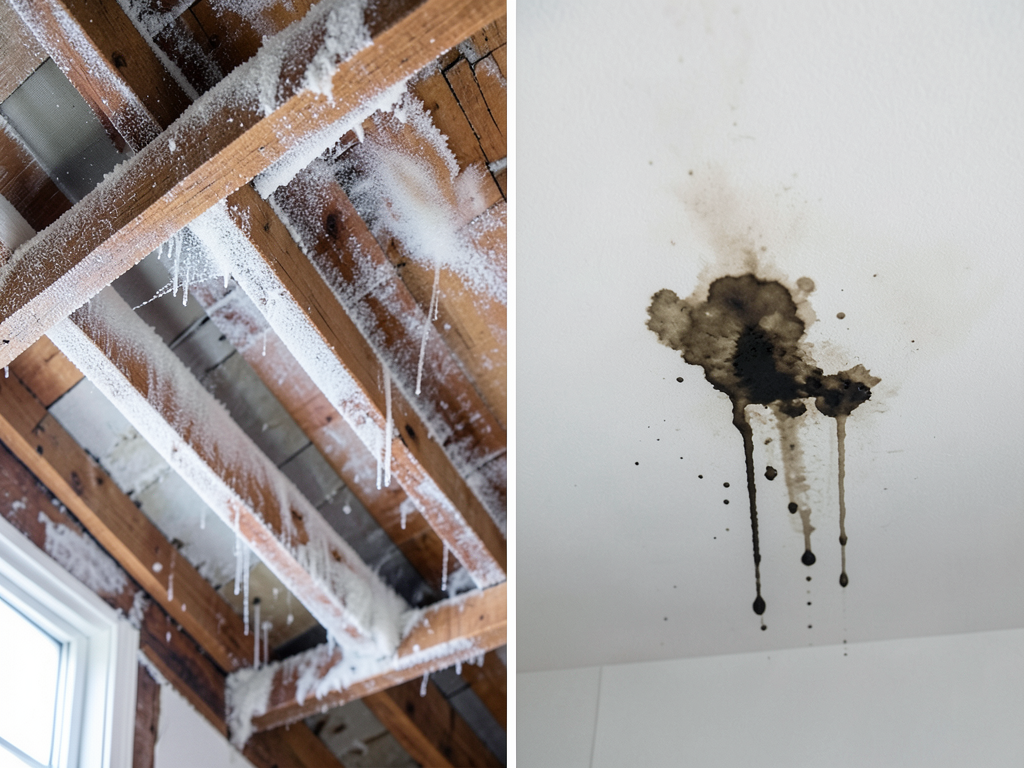
| Physical Appearance | White frost, mildew spots, or rusty nail heads | Dark water stains, wet insulation, active dripping |
The Science of Attic Condensation in Middle Tennessee
Attic condensation happens when warm, moisture-laden air from your living space rises and meets cold surfaces in your attic. In Nashville, where summer humidity often exceeds 70% and winter temperatures regularly dip below freezing, this creates a perfect storm for condensation problems.
The process works like this: warm air holds more moisture than cold air. When that warm air contacts a cold surface like an attic rafter or the underside of roof decking, the air cools rapidly. Cold air can’t hold as much moisture, so water vapor condenses into liquid water or frost. This is the same principle that causes your iced tea glass to sweat on a humid summer day.
Nashville’s specific climate makes this worse. Our region experiences what meteorologists call “high dew point” conditions during much of the year. When the dew point approaches the actual temperature, condensation becomes almost inevitable. Add in poor attic ventilation, and you’ve got a recipe for chronic moisture problems that can look exactly like a roof leak.
Common Roof Leak Culprits in Nashville Homes
Actual roof leaks in Nashville typically follow predictable patterns based on our local weather and construction styles. Understanding these patterns helps you identify whether you’re dealing with a true leak or condensation.
Flashing failures are the number one cause of roof leaks in our area. Chimney flashing, where the roof meets brick or stone, often fails first due to thermal expansion and contraction. The freeze-thaw cycles we experience in winter cause metal flashing to warp and separate from the chimney, creating entry points for water.
Pipe boots represent another common failure point. These rubber seals around plumbing vents deteriorate faster in Tennessee’s intense UV exposure and temperature swings. A cracked pipe boot might let in just enough water to create a small stain, but not enough to cause obvious dripping.
Shingle damage from hail storms is also prevalent. Middle Tennessee experiences frequent severe weather, and hail can knock off granules or crack shingles without creating immediately visible holes. Water then seeps under damaged shingles during subsequent rains.
Ice damming, while less common than in northern states, still affects Nashville homes. When snow melts during the day and refreezes at night, it creates ice dams that force water under shingles. This typically shows up as water stains near eaves or in upper floor ceilings.
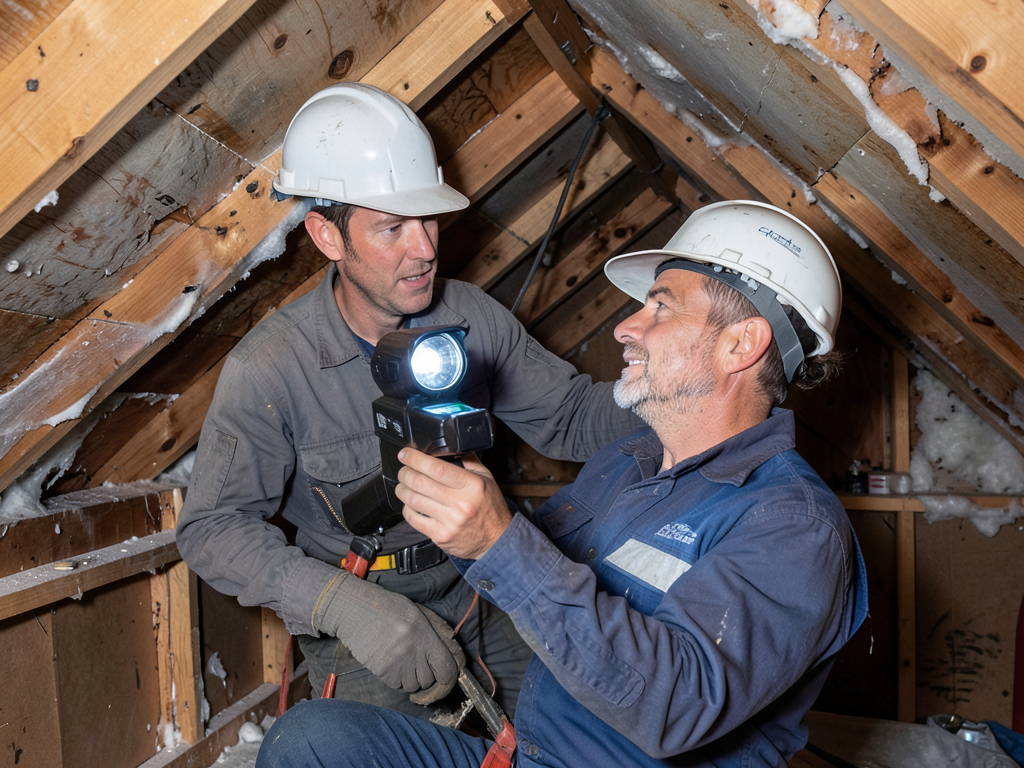
The Flashlight Test: How to Inspect Your Attic
Performing a proper attic inspection requires timing and the right conditions. This step-by-step process helps you determine whether you’re dealing with condensation or an active leak.
Step one: Choose the right time. For condensation detection, inspect during the coldest part of a winter morning or after several consecutive humid days. For leak detection, wait for the next heavy rain and inspect while it’s still raining.
Step two: Safety first. Use a sturdy ladder, wear protective gear including gloves and a dust mask, and bring a bright flashlight. Never walk on insulation or between rafters where you might fall through the ceiling. Choosing Between Shingles and Metal for Your New Hendersonville Roof.
Step three: Examine the patterns. Look for water stains on rafters and decking. Condensation typically creates uniform patterns across multiple rafters or covers large areas of decking. Active leaks create isolated, concentrated stains that follow the path of least resistance down to your ceiling.
Step four: Check the nail heads. Rusted nail heads protruding through the roof deck are a classic sign of condensation. When warm attic air contacts the cold metal nails, moisture condenses on them, causing rust. This pattern indicates ventilation issues rather than roof failure.
Step five: Feel the surfaces. Condensation makes surfaces uniformly damp or frosty. A roof leak creates wet spots that feel different from surrounding dry areas. If you find isolated wet spots during dry weather, you likely have a slow leak.
Nashville Climate Factors That Make Attic Ventilation Critical
Middle Tennessee’s climate creates unique challenges for attic ventilation that homeowners in other regions don’t face. Understanding these factors helps explain why condensation is such a common problem here.
Our region experiences high humidity levels throughout much of the year. When outdoor humidity exceeds 60%, even properly functioning ventilation systems struggle to remove all moisture from attic air. This is why homes in drier climates like Arizona rarely experience condensation problems.
Temperature swings in Nashville can be extreme. It’s not uncommon to see 30-40 degree temperature differences between day and night, especially during spring and fall. These rapid changes cause attic air to expand and contract, potentially pulling moisture-laden air from your living space into the attic.
Ice damming, while less severe than in northern states, still affects local homes. When daytime temperatures rise above freezing but nighttime temperatures drop below, melting snow can refreeze at roof edges, creating dams that force water under shingles.
The National Weather Service reports that Nashville receives an average of 47 inches of rainfall annually, spread fairly evenly throughout the year. This consistent moisture means attics rarely get a chance to fully dry out between rain events, creating conditions where condensation can persist. National Association of Certified Home Inspectors ventilation standards.
Solutions: Ventilation Upgrades vs. Minor Repairs vs. Full Replacement
Once you’ve identified whether you’re dealing with condensation or a leak, the solution path becomes clear. Here’s what each scenario typically requires.
For condensation problems, the fix usually involves improving attic ventilation. This might mean adding soffit vents if they’re blocked or missing, installing ridge vents, or ensuring existing vents aren’t obstructed by insulation. The cost typically ranges from $500 to $2,000 depending on your home’s configuration.
Sealing air leaks between your living space and attic is equally important. Gaps around light fixtures, plumbing stacks, and attic access doors allow warm, moist air to enter the attic. Professional air sealing costs $300 to $800 but can dramatically reduce condensation.
For minor roof leaks, repairs usually involve replacing damaged flashing, sealing pipe boots, or patching small areas of damaged shingles. These repairs typically cost $300 to $1,500 and can extend your roof’s life by several years.
Full roof replacement becomes necessary when damage is widespread or your roof has reached the end of its service life. In Nashville, asphalt shingle roofs typically last 15-25 years depending on quality and maintenance. Replacement costs vary widely based on roof size and complexity but generally range from $5,000 to $15,000 for an average home.
Golden Nuggets: What Most Homeowners Don’t Know
Here are three critical facts that separate true attic experts from general contractors in Nashville: Expert Slate and Tile Roof Restoration in Belle Meade.
First, the “nail pop” phenomenon isn’t always a roofing problem. When you see nails pushing through your ceiling drywall, it could indicate attic moisture causing wood expansion and contraction. This is especially common in homes built before 2010 when building codes required less stringent ventilation standards. Roofing La Vergne.
Second, your HVAC system might be the real culprit. Many Nashville homes have HVAC units in the attic. Leaky ductwork or improperly sized equipment can dump warm, moist air directly into your attic space, overwhelming even good ventilation systems.
Third, the color of your roof matters more than most people realize. Dark-colored roofs absorb more heat, creating larger temperature differentials with attic air. In Nashville’s climate, a light-colored roof can reduce attic temperatures by 10-15 degrees, significantly decreasing condensation risk.
When to Worry: A Middle Tennessee Seasonal Calendar
Understanding when condensation versus leaks are most likely helps you know when to be concerned. Here’s a seasonal breakdown for Nashville homeowners.
January through February: This is prime time for condensation problems. Cold outdoor temperatures combined with heated indoor air create maximum temperature differentials. If you notice frost on rafters during this period, you likely have ventilation issues rather than a roof leak.
March through May: Spring storm season brings the highest risk of actual roof leaks. High winds can damage flashing, and heavy rains test roof integrity. This is when you should be most concerned about active leaks rather than condensation.
June through August: Summer humidity peaks, making condensation problems worse in poorly ventilated attics. However, this is also when roof leaks from spring storms might first become visible as water stains develop.
September through December: Fall brings moderate conditions, but early winter cold snaps can trigger condensation in homes that haven’t had ventilation issues all summer. This is often when homeowners first notice attic moisture problems.
Professional Tools: How Nashville Roofers Use Thermal Imaging
Professional roofers use advanced diagnostic tools to differentiate between condensation and leaks quickly and accurately. Thermal imaging cameras have become standard equipment for reputable Nashville roofing companies. Roofing Columbia.
These cameras detect temperature differences across surfaces. Active water from a leak appears as a distinct cold spot because water conducts heat differently than dry materials. Condensation, on the other hand, creates more uniform temperature patterns across larger areas.
Moisture meters provide another crucial diagnostic tool. These devices measure the actual moisture content of wood and drywall. A reading above 20% indicates active moisture problems, but the pattern of readings helps determine whether you’re dealing with a leak or condensation.
Professional roofers also use smoke pencils or infrared thermometers to trace air movement in attics. These tools help identify where warm air is entering the attic space, allowing them to address the root cause of condensation rather than just treating symptoms.
Frequently Asked Questions
Can I fix attic condensation myself or do I need a professional?
Many ventilation improvements are DIY-friendly, such as adding soffit vents or ensuring existing vents aren’t blocked. However, if you’re unsure about your attic’s structure or if you notice mold growth, it’s best to consult a professional. Improper ventilation can lead to more serious problems.
How can I tell if my attic has enough ventilation?
A properly ventilated attic should have roughly equal intake and exhaust ventilation. You should see vents in your soffits and either ridge vents or roof vents near the peak. If your attic feels significantly warmer than the outdoor air on a sunny day, you likely need more ventilation.
Will a new roof solve my condensation problems?
Not necessarily. While a new roof with proper underlayment can help, condensation is primarily a ventilation and air sealing issue. Installing a new roof without addressing ventilation problems often leads to the same condensation issues reappearing within months.
How long does it take for condensation to cause damage?
Prolonged condensation can start causing problems within weeks. You might notice water stains developing, wood beginning to rot, or insulation losing its effectiveness. Mold can begin growing within 24-48 hours of consistent moisture exposure.
Should I run a dehumidifier in my attic?
Dehumidifiers can help in extreme cases, but they’re typically a band-aid solution. The better approach is to address the source of moisture through proper ventilation and air sealing. Dehumidifiers also require regular maintenance and can significantly increase your electric bill.
Don’t Let Moisture Problems Cost You More
Whether you’re dealing with attic condensation or a true roof leak, the key is quick and accurate diagnosis. In Nashville’s challenging climate, what looks like a simple water stain could be signaling anything from a minor ventilation issue to a major roofing failure.
The flashlight test outlined above gives you a solid starting point, but some problems require professional diagnosis. If you’re still unsure after your inspection, or if you notice active dripping, extensive mold growth, or structural damage, it’s time to call in the experts.
Titan Roofing Nashville has been helping Middle Tennessee homeowners solve moisture problems for over 15 years. Our technicians use thermal imaging, moisture meters, and extensive local experience to diagnose issues accurately the first time. We’ll never recommend a $10,000 roof replacement when a $500 ventilation upgrade would solve your problem.
Call (615) 640-4994 today to schedule your no-obligation attic and roof health inspection. Our team will identify the exact cause of your moisture problems and provide clear, honest recommendations for fixing them. Don’t wait until small problems become expensive disasters.
Pick up the phone and call (615) 640-4994 before the next storm hits. Your home deserves the peace of mind that comes from knowing exactly what’s happening above your ceiling.
{
“@context”: “https://schema.org”,
“@type”: “BlogPosting”,
“headline”: “How to Spot the Difference Between a Roof Leak and Attic Condensation”,
“description”: “Confused by ceiling stains? Learn to tell attic condensation from roof leaks in Nashville’s humid climate. Get the diagnostic flashlight test and local expert advice.”,
“wordCount”: 2270,
“datePublished”: “2026-03-26T07:20:00.000Z”,
“dateModified”: “2026-03-26T07:20:00.000Z”,
“inLanguage”: “en-US”,
“mainEntityOfPage”: {
“@type”: “WebPage”,
“@id”: “https://titanroofingnashville.com”
},
“publisher”: {
“@type”: “LocalBusiness”,
“name”: “Titan Roofing Nashville”,
“url”: “https://titanroofingnashville.com”
},
“author”: {
“@type”: “Organization”,
“name”: “Titan Roofing Nashville”,
“url”: “https://titanroofingnashville.com”
},
“image”: {
“@type”: “ImageObject”,
“url”: “https://titanroofingnashville.com/wp-content/uploads/2026/03/how-to-spot-the-difference-between-a-roof-leak-and-1.png”
}
}
{
“@context”: “https://schema.org”,
“@type”: “RoofingContractor”,
“name”: “Titan Roofing Nashville”,
“url”: “https://titanroofingnashville.com”,
“address”: {
“@type”: “PostalAddress”,
“addressLocality”: “Nashville”
},
“areaServed”: {
“@type”: “City”,
“name”: “Nashville”
}
}
{
“@context”: “https://schema.org”,
“@type”: “FAQPage”,
“mainEntity”: [
{
“@type”: “Question”,
“name”: “Can I fix attic condensation myself or do I need a professional?”,
“acceptedAnswer”: {
“@type”: “Answer”,
“text”: “Many ventilation improvements are DIY-friendly, such as adding soffit vents or ensuring existing vents aren’t blocked. However, if you’re unsure about your attic’s structure or if you notice mold growth, it’s best to consult a professional. Improper ventilation can lead to more serious problems.”
}
},
{
“@type”: “Question”,
“name”: “How can I tell if my attic has enough ventilation?”,
“acceptedAnswer”: {
“@type”: “Answer”,
“text”: “A properly ventilated attic should have roughly equal intake and exhaust ventilation. You should see vents in your soffits and either ridge vents or roof vents near the peak. If your attic feels significantly warmer than the outdoor air on a sunny day, you likely need more ventilation.”
}
},
{
“@type”: “Question”,
“name”: “How long does it take for condensation to cause damage?”,
“acceptedAnswer”: {
“@type”: “Answer”,
“text”: “Prolonged condensation can start causing problems within weeks. You might notice water stains developing, wood beginning to rot, or insulation losing its effectiveness. Mold can begin growing within 24-48 hours of consistent moisture exposure.”
}
},
{
“@type”: “Question”,
“name”: “Should I run a dehumidifier in my attic?”,
“acceptedAnswer”: {
“@type”: “Answer”,
“text”: “Dehumidifiers can help in extreme cases, but they’re typically a band-aid solution. The better approach is to address the source of moisture through proper ventilation and air sealing. Dehumidifiers also require regular maintenance and can significantly increase your electric bill.”
}
}
]
}
{
“@context”: “https://schema.org”,
“@type”: “BreadcrumbList”,
“itemListElement”: [
{
“@type”: “ListItem”,
“position”: 1,
“name”: “Home”,
“item”: “https://titanroofingnashville.com”
},
{
“@type”: “ListItem”,
“position”: 2,
“name”: “Blog”,
“item”: “https://titanroofingnashville.com/blog”
},
{
“@type”: “ListItem”,
“position”: 3,
“name”: “How to Spot the Difference Between a Roof Leak and Attic Condensation”
}
]
}
{
“@context”: “https://schema.org”,
“@type”: “Service”,
“serviceType”: “Roofing”,
“provider”: {
“@type”: “LocalBusiness”,
“name”: “Titan Roofing Nashville”,
“url”: “https://titanroofingnashville.com”
},
“areaServed”: {
“@type”: “City”,
“name”: “Nashville”
},
“description”: “Confused by ceiling stains? Learn to tell attic condensation from roof leaks in Nashville’s humid climate. Get the diagnostic flashlight test and local expert advice.”
}