
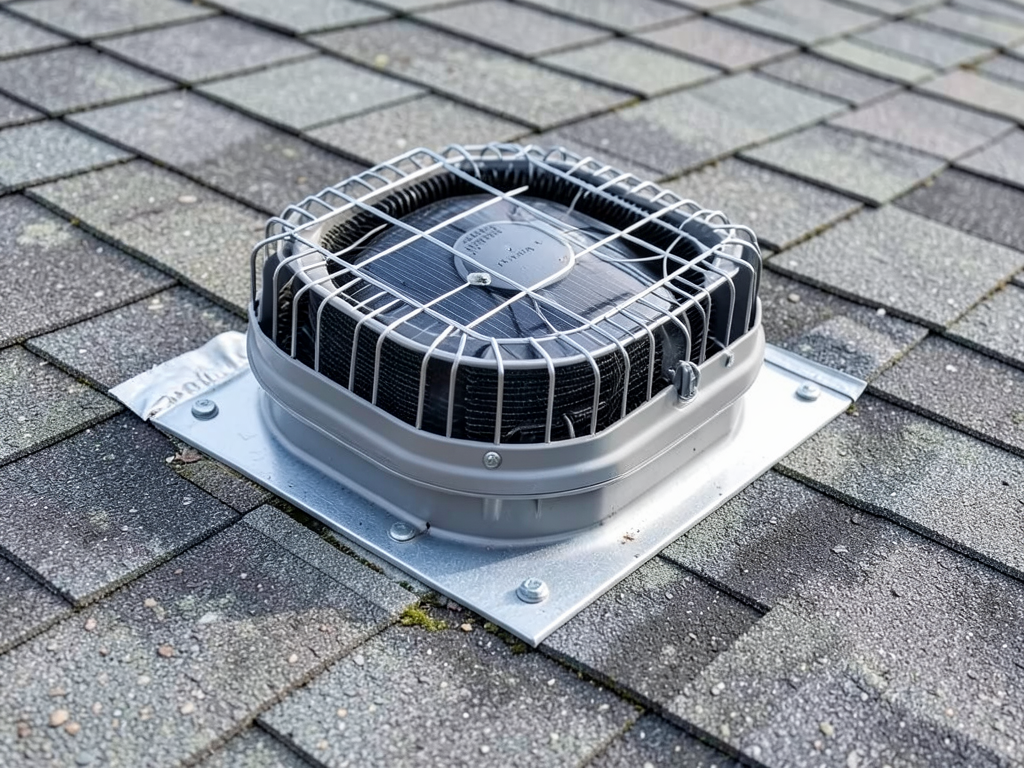
Choosing Between Solar Attic Fans and Hardwired Power Vents for Better Airflow
Hot Tennessee summers push attic temperatures past 150 degrees and drive cooling costs through the roof. Solar attic fans pull heat out using photovoltaic panels while hardwired power vents run on household electricity with thermostat controls. The right choice depends on your roof pitch, shade coverage, and long-term energy goals. Both systems move air but differ in installation complexity, operating costs, and climate performance. This guide breaks down how each works, what they cost in Nashville, and which delivers better airflow for your home. Tennessee Valley Authority energy rates.
How They Work: Solar Photovoltaic vs. Hardwired Electric
Solar attic fans mount on the roof or gable and use built-in photovoltaic cells to power a DC motor. When sunlight hits the panel, the fan spins automatically without wiring to your home’s electrical system. Hardwired power vents connect to 120-volt AC power and include a thermostat that activates the fan when attic temperatures reach 90-110 degrees. Some models add a humidistat to run when moisture levels spike. Solar units produce zero operating cost but stop in low light. Electric vents run anytime temperatures demand but add to your monthly utility bill.
Direct Comparison: Efficiency, Noise, and Airflow (CFM)
Airflow capacity varies by model size. A typical 12-watt solar fan moves 800-1,200 cubic feet per minute while a 10-inch electric vent pushes 1,000-1,600 CFM. Solar performance drops on cloudy days or if the panel sits in partial shade. Electric fans maintain steady output regardless of weather. Noise levels differ too. Solar fans hum at 30-45 decibels, quieter than a refrigerator. Many electric models run at 45-60 decibels, similar to normal conversation. For a 2,000-square-foot attic, you need roughly 800-1,000 CFM to achieve six to eight air changes per hour according to ASHRAE ventilation standards.
The Cost Breakdown: Upfront Investment vs. Long-Term Savings
Solar attic fans cost $300-$600 for the unit plus $200-$400 for installation if roof access is simple. Electric power vents run $150-$300 for the unit with $300-$500 for electrical hookup and thermostat wiring. Solar systems avoid monthly electricity costs but may need panel cleaning twice a year to maintain output. Electric units add about $5-$15 per month to your power bill during peak cooling season. Over ten years, solar fans can save $600-$1,200 in electricity if your local rate is 12 cents per kilowatt-hour. Factor in the 30% federal solar tax credit, which applies to both the equipment and installation labor for qualifying solar products.
Nashville Climate Factors: Humidity Control and Summer Heat
Middle Tennessee summers combine high heat with humidity often above 70 percent. Moist air trapped in attics breeds mold and degrades insulation. Solar fans stop when clouds roll in, which can leave humid air stagnant during afternoon thunderstorms. Electric vents with humidistats keep running through weather changes, actively removing moisture. The Tennessee Valley Authority reports Nashville averages 35 days above 90 degrees each year, creating high cooling loads. Homes with dark shingles or poor ridge ventilation benefit most from powered exhaust. If your roof sits in full sun most of the day, solar performance peaks. Heavy tree cover favors electric models since shade limits solar output.
Installation Considerations: Roof Integrity and Electrical Requirements
Solar fans install with flashing and sealant to prevent leaks. Mounting requires cutting a hole in the roof deck, which can void certain shingle warranties if not done to manufacturer specs. Electric vents need a dedicated 120-volt circuit from your breaker panel. Running new wiring often means drilling through top plates and adding junction boxes. Both systems work with asphalt, metal, or tile roofs, but tile requires extra care to avoid cracking. The National Fire Protection Association code requires at least one square foot of net free vent area for every 300 square feet of attic floor space when using powered exhaust. Undersized intake vents make powered fans less effective.
Tax Credits and Local Incentives (Federal and TVA)
The federal Residential Clean Energy Credit covers 30 percent of solar attic fan costs including installation through 2032. This credit applies to the product’s qualifying solar components, not the entire roof if installed as part of a larger project. TVA, which serves most Nashville homes through Nashville Electric Service, does not currently offer rebates for attic fans but does provide energy audits that may recommend them. Some local HVAC contractors bundle attic fans with insulation upgrades for additional savings. Keep all receipts and the manufacturer’s certification statement to claim the credit on IRS Form 5695. Reliable Residential Roofers Serving East Nashville and Inglewood.
Verdict: Which Should You Choose?
Choose solar if your roof gets at least six hours of direct sun daily, you want zero operating costs, and you prioritize easy installation without electrical work. Solar fans work best for gable or hip roofs with simple geometry. Choose electric if your attic needs consistent moisture control, your roof sits in partial shade, or you want programmable thermostat control. Electric models suit complex rooflines with multiple valleys where balanced airflow matters. For Nashville’s humid climate, electric vents with humidistat controls often prevent mold better than solar alone. A hybrid approach—solar fan for daytime heat plus passive vents for night—can also work. Call (615) 640-4994 today to schedule your inspection and get a custom airflow calculation for your home.
Frequently Asked Questions
Do attic fans help lower my electric bill?
Yes. By reducing attic temperatures by 20-30 degrees, powered vents decrease the load on your air conditioner. Savings vary but often range from $10-$30 per month during summer in Nashville.
Can I install an attic fan myself?
Solar fans are more DIY-friendly since they don’t require wiring. Electric models need proper electrical connections and roof sealing to meet code and prevent leaks. Improper installation risks fire hazards and water damage.
How long do attic fans last?
Quality solar fans last 10-15 years with occasional panel cleaning. Electric units often run 15-20 years since they have fewer exposure-related components. Motors and bearings may need replacement after a decade.
Will an attic fan damage my shingles?
When installed to manufacturer specs, attic fans do not void shingle warranties. Poor sealing or oversized fans can cause premature wear. Always use proper flashing and follow roofing manufacturer guidelines. A Homeowner’s Guide to Roof Replacement Costs in Brentwood.
Do I need intake vents if I add a powered exhaust fan?
Yes. Powered fans pull air from somewhere. Without adequate soffit or gable intake vents, they can draw conditioned air from your living space, increasing energy costs and reducing effectiveness. For more information, visit U.S. Department of Energy attic ventilation guide.
{
“@context”: “https://schema.org”,
“@type”: “BlogPosting”,
“headline”: “Choosing Between Solar Attic Fans and Hardwired Power Vents for Better Airflow”,
“description”: “Compare solar vs electric attic fans for Nashville homes. Learn CFM ratings, costs, tax credits, and which system best handles Tennessee humidity. Call (615) 640-4994.”,
“wordCount”: 1102,
“datePublished”: “2026-06-08T12:32:00.000Z”,
“dateModified”: “2026-06-08T12:32:00.000Z”,
“inLanguage”: “en-US”,
“mainEntityOfPage”: {
“@type”: “WebPage”,
“@id”: “https://titanroofingnashville.com”
},
“publisher”: {
“@type”: “LocalBusiness”,
“name”: “Titan Roofing Nashville”,
“url”: “https://titanroofingnashville.com”
},
“author”: {
“@type”: “Organization”,
“name”: “Titan Roofing Nashville”,
“url”: “https://titanroofingnashville.com”
},
“image”: {
“@type”: “ImageObject”,
“url”: “https://titanroofingnashville.com/wp-content/uploads/2026/03/choosing-between-solar-attic-fans-and-hardwired-po-1.png”
}
}
{
“@context”: “https://schema.org”,
“@type”: “RoofingContractor”,
“name”: “Titan Roofing Nashville”,
“url”: “https://titanroofingnashville.com”,
“address”: {
“@type”: “PostalAddress”,
“addressLocality”: “Nashville”
},
“areaServed”: {
“@type”: “City”,
“name”: “Nashville”
}
}
{
“@context”: “https://schema.org”,
“@type”: “FAQPage”,
“mainEntity”: [
{
“@type”: “Question”,
“name”: “Verdict: Which Should You Choose?”,
“acceptedAnswer”: {
“@type”: “Answer”,
“text”: “Choose solar if your roof gets at least six hours of direct sun daily, you want zero operating costs, and you prioritize easy installation without electrical work. Solar fans work best for gable or hip roofs with simple geometry. Choose electric if your attic needs consistent moisture control, your roof sits in partial shade, or you want programmable thermostat control. Electric models suit complex rooflines with multiple valleys where balanced airflow matters. For Nashville’s humid climate, electric vents with humidistat controls often prevent mold better than solar alone. A hybrid approach—solar fan for daytime heat plus passive vents for night—can also work. Call (615) 640-4994 today to schedule your inspection and get a custom airflow calculation for your home.”
}
},
{
“@type”: “Question”,
“name”: “Do attic fans help lower my electric bill?”,
“acceptedAnswer”: {
“@type”: “Answer”,
“text”: “Yes. By reducing attic temperatures by 20-30 degrees, powered vents decrease the load on your air conditioner. Savings vary but often range from $10-$30 per month during summer in Nashville.”
}
},
{
“@type”: “Question”,
“name”: “Can I install an attic fan myself?”,
“acceptedAnswer”: {
“@type”: “Answer”,
“text”: “Solar fans are more DIY-friendly since they don’t require wiring. Electric models need proper electrical connections and roof sealing to meet code and prevent leaks. Improper installation risks fire hazards and water damage.”
}
},
{
“@type”: “Question”,
“name”: “How long do attic fans last?”,
“acceptedAnswer”: {
“@type”: “Answer”,
“text”: “Quality solar fans last 10-15 years with occasional panel cleaning. Electric units often run 15-20 years since they have fewer exposure-related components. Motors and bearings may need replacement after a decade.”
}
},
{
“@type”: “Question”,
“name”: “Will an attic fan damage my shingles?”,
“acceptedAnswer”: {
“@type”: “Answer”,
“text”: “When installed to manufacturer specs, attic fans do not void shingle warranties. Poor sealing or oversized fans can cause premature wear. Always use proper flashing and follow roofing manufacturer guidelines. A Homeowner’s Guide to Roof Replacement Costs in Brentwood.”
}
},
{
“@type”: “Question”,
“name”: “Do I need intake vents if I add a powered exhaust fan?”,
“acceptedAnswer”: {
“@type”: “Answer”,
“text”: “Yes. Powered fans pull air from somewhere. Without adequate soffit or gable intake vents, they can draw conditioned air from your living space, increasing energy costs and reducing effectiveness. For more information, visit U.S. Department of Energy attic ventilation guide.”
}
}
]
}
{
“@context”: “https://schema.org”,
“@type”: “BreadcrumbList”,
“itemListElement”: [
{
“@type”: “ListItem”,
“position”: 1,
“name”: “Home”,
“item”: “https://titanroofingnashville.com”
},
{
“@type”: “ListItem”,
“position”: 2,
“name”: “Blog”,
“item”: “https://titanroofingnashville.com/blog”
},
{
“@type”: “ListItem”,
“position”: 3,
“name”: “Choosing Between Solar Attic Fans and Hardwired Power Vents for Better Airflow”
}
]
}
{
“@context”: “https://schema.org”,
“@type”: “Service”,
“serviceType”: “Roofing”,
“provider”: {
“@type”: “LocalBusiness”,
“name”: “Titan Roofing Nashville”,
“url”: “https://titanroofingnashville.com”
},
“areaServed”: {
“@type”: “City”,
“name”: “Nashville”
},
“description”: “Compare solar vs electric attic fans for Nashville homes. Learn CFM ratings, costs, tax credits, and which system best handles Tennessee humidity. Call (615) 640-4994.”
}