
Why Your Large Chimney Needs a Roof Cricket to Prevent Standing Water
Nashville’s heavy rainfall and humid climate create perfect conditions for water damage behind large chimneys. When rainwater collects in the valley behind your chimney, it leads to costly leaks, structural damage, and premature roof failure. A properly installed roof cricket diverts water around your chimney, protecting your home’s structural integrity.. Read more about How Small Cracks in Your Chimney Crown Can Lead to Big Roof Problems in Forest Hills.
Middle Tennessee receives an average of 47 inches of rainfall annually, with most precipitation occurring during spring thunderstorms. This concentrated rainfall creates intense water pressure on roof valleys, particularly behind masonry chimneys. Without proper drainage, water pools against the chimney, seeping through flashing and deteriorating roofing materials. Roofing La Vergne.
Building codes in Davidson County require roof crickets for chimneys wider than 30 inches. The International Residential Code (IRC) mandates that crickets must be installed at a slope ratio of at least 1:2 to effectively divert water. This means for every inch of height, the cricket extends two inches horizontally from the chimney base. International Residential Code chimney requirements.
Roof crickets prevent several common problems that plague Nashville homeowners. Standing water accelerates flashing deterioration, causes ice dam formation during winter freezes, and creates ideal conditions for moss and algae growth. These issues compound over time, leading to expensive repairs that could have been prevented with proper initial installation. EPA water conservation guidelines.
Professional installation ensures your cricket meets local building standards and integrates seamlessly with your existing roof. DIY attempts often result in improper slope calculations, inadequate flashing integration, or material mismatches that create new leak points. A properly installed cricket extends your roof’s lifespan by preventing water-related deterioration in one of the most vulnerable areas.
Call (615) 640-4994 today to schedule your inspection. Don’t wait for the next storm to discover water damage behind your chimney.
What is a Roof Cricket and Why is it Essential?
A roof cricket is a peaked structure installed on the uphill side of a chimney to divert water around it. Think of it as a miniature roof that creates a water channel, preventing rain and melting snow from pooling behind your chimney stack.
Roof crickets serve multiple critical functions beyond simple water diversion. They prevent ice dam formation by eliminating flat areas where water can freeze and expand. They also reduce snow accumulation weight during Nashville’s occasional winter storms, protecting your chimney’s structural integrity.
The cricket’s design depends on your roof’s pitch and the chimney’s width. Steeper roofs require taller crickets to maintain proper water flow angles. For example, a 12:12 pitch roof needs a cricket approximately half the chimney’s width in height to achieve effective drainage.
Material selection impacts the cricket’s durability and compatibility with your existing roof. Metal crickets offer superior longevity and work well with both shingle and metal roofing systems. Wood-framed crickets provide a cost-effective option when properly sealed and flashed, though they require more maintenance in Nashville’s humid climate. Roofing Columbia.
Proper installation involves more than just framing and sheathing. The cricket must integrate with existing flashing systems, include waterproof underlayment, and match your roof’s aesthetic. Professional installers calculate precise angles to ensure water flows efficiently away from your chimney base.
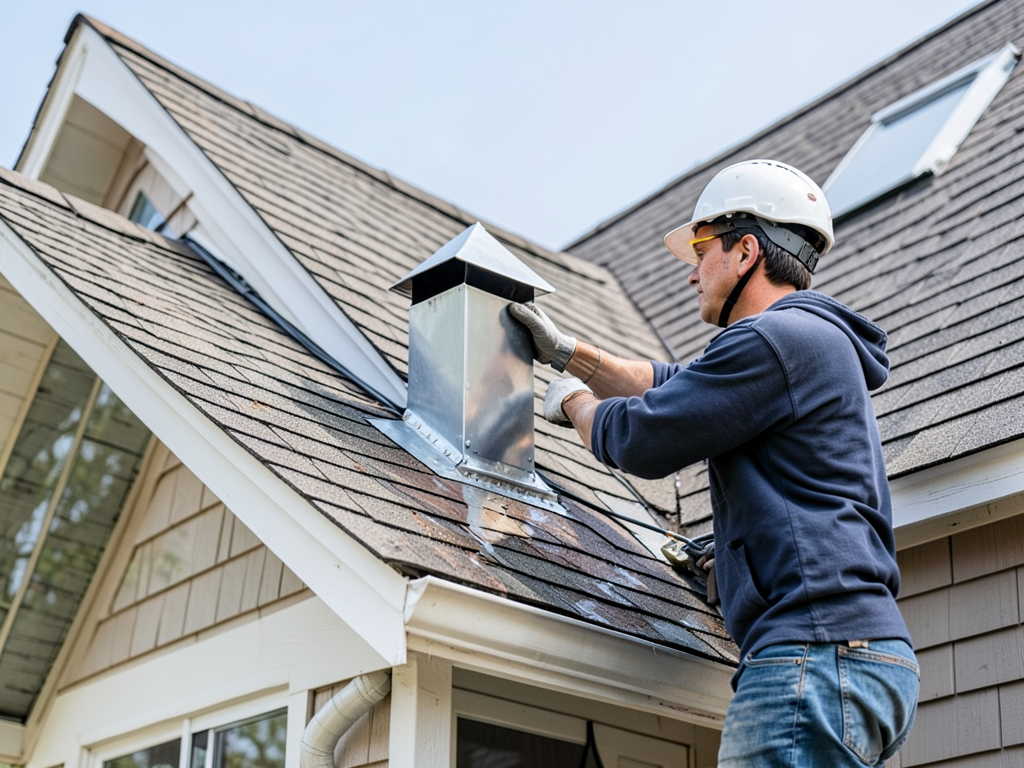
Diagram showing how a chimney cricket diverts water on a 12:12 pitch roof, with arrows indicating water flow direction and proper flashing integration.
Common Signs Your Nashville Home Needs a Cricket
Several warning signs indicate your chimney lacks proper water diversion. Water stains on interior walls near the chimney suggest water is penetrating through deteriorated flashing or pooling behind the structure. These stains often appear as yellowish or brownish discoloration spreading from the chimney base.
Exterior signs include moss or algae growth on the chimney’s uphill side, indicating persistent moisture exposure. You might notice missing or damaged shingles directly behind the chimney, where water collects and accelerates material deterioration. In severe cases, you’ll see visible water pooling during rainstorms.
Interior inspection reveals additional evidence. Check your attic for water stains on rafters or decking near the chimney. Feel for soft spots in the ceiling around the chimney base, indicating water damage to underlying structures. These soft areas feel spongy when pressed and may have a musty odor.
Age is another factor. Homes built before the 1980s often lack crickets entirely, as building codes were less stringent. If your chimney is over 30 inches wide and your home predates modern building standards, you likely need a cricket installation regardless of visible damage.
Climate-specific issues affect Nashville homes more severely. Our high humidity accelerates organic growth on persistently wet surfaces. The freeze-thaw cycles common in Middle Tennessee cause expansion and contraction that widens existing cracks in flashing or mortar joints, allowing more water infiltration. Solving Common Flat Roof Leaks for Downtown Nashville Condos.
The Step-by-Step Installation Process
Professional cricket installation follows a systematic process that ensures proper water diversion and long-term durability. The process begins with careful measurement and planning to determine the cricket’s exact dimensions based on your chimney’s specifications and roof pitch.
First, existing roofing materials around the chimney are removed to expose the decking and flashing. This allows installers to assess the underlying structure for any existing water damage that needs repair before cricket installation. Damaged decking or compromised flashing must be replaced to prevent future leaks.
Next, the cricket’s framework is constructed using pressure-treated lumber that resists moisture damage. The frame is built to precise specifications, typically following a 1:2 slope ratio for optimal water diversion. Installers use specialized tools to ensure the cricket’s peak aligns perfectly with your roof’s existing pitch.
After framing, plywood sheathing covers the cricket structure. This creates a solid surface for underlayment and roofing materials. Installers then apply ice and water shield, a waterproof membrane that extends several feet up the chimney and across the cricket’s surface. This provides redundant protection against water infiltration.
Flashing installation represents the most critical step. Step flashing integrates with the chimney’s existing counter-flashing, creating a watertight seal. Installers bend and shape metal flashing to fit precisely around the cricket’s angles, ensuring no gaps exist where water could penetrate.
Finally, roofing materials are installed to match your existing roof. Shingles or metal panels are carefully cut and fitted around the cricket, maintaining your roof’s aesthetic while ensuring complete water protection. The installation concludes with sealing all joints and conducting a water test to verify proper drainage.
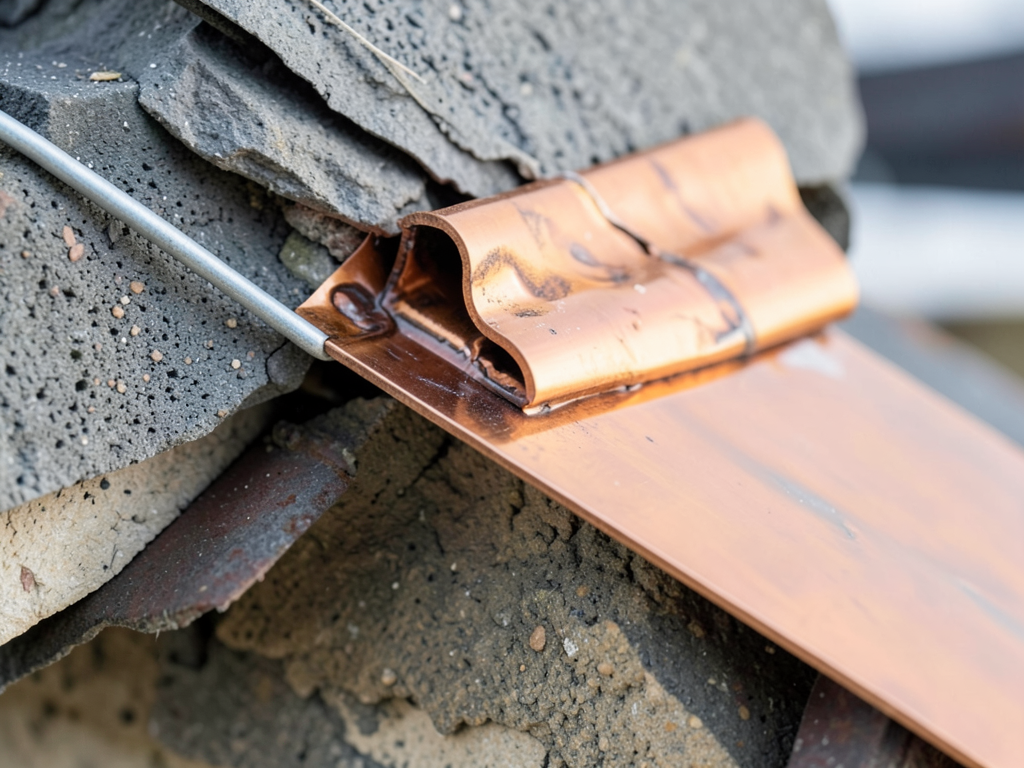
Photo sequence showing the cricket installation process: framing, sheathing, underlayment application, flashing integration, and final shingle matching.
Material Options: Matching Your Existing Roof
Material selection for your cricket affects both performance and aesthetics. The right choice depends on your existing roofing system, budget constraints, and long-term durability requirements. Nashville’s climate demands materials that resist both water damage and UV degradation.
Metal crickets offer superior longevity and minimal maintenance. Aluminum and galvanized steel resist corrosion and can be painted to match your existing roof. Metal crickets excel in durability, often lasting the lifetime of your roof without requiring replacement. However, they cost more initially than wood-framed alternatives.
Wood-framed crickets provide a traditional appearance that blends well with shingle roofs. When properly sealed with waterproof membranes and flashed correctly, wood crickets offer reliable performance at a lower initial cost. The downside is they require periodic maintenance and may need replacement after 15-20 years. Reliable Residential Roofers Serving East Nashville and Inglewood.
Composite materials represent a middle ground, offering better moisture resistance than wood while maintaining a more traditional appearance than metal. These engineered products resist rot and insect damage, making them suitable for Nashville’s humid climate. They typically cost more than wood but less than premium metal options.
Material compatibility extends beyond the cricket itself. The flashing must match or complement your existing roof materials. Copper flashing develops a distinctive patina over time and works beautifully with both traditional and modern homes. Galvanized steel offers excellent durability at a moderate price point.
Consider your home’s architectural style when selecting materials. Historic homes in areas like East Nashville may require specific materials to maintain authenticity. Modern constructions can often accommodate more contemporary material choices without compromising aesthetic appeal.
Roof Cricket Installation Cost Factors in Middle Tennessee
Cricket installation costs vary based on several factors specific to Middle Tennessee homes. Chimney size significantly impacts pricing, with wider chimneys requiring more materials and labor. A standard 36-inch wide chimney cricket installation typically costs between $1,200 and $2,500, while larger chimneys can exceed $3,500. Choosing Between Shingles and Metal for Your New Hendersonville Roof.
Roof pitch affects installation complexity and cost. Steep roofs require additional safety equipment and more labor hours, increasing overall expenses. A 12:12 pitch roof installation might cost 30-40% more than a similar project on a 4:12 pitch roof due to increased difficulty and time requirements.
Material selection dramatically influences total costs. Basic wood-framed crickets with asphalt shingle matching represent the most economical option. Premium metal crickets with copper flashing can double or triple the base price but offer superior longevity and reduced maintenance requirements over time.
Existing damage discovery during installation can increase costs unexpectedly. Water-damaged decking, deteriorated flashing, or compromised chimney mortar joints require repair before cricket installation. These repairs typically add $500 to $1,500 to the project, depending on the extent of damage.
Geographic factors specific to Nashville affect pricing. Homes in historic districts may require special permits or materials to maintain architectural integrity. Properties in areas with difficult access, such as homes surrounded by mature trees or steep terrain, incur additional labor costs.
Seasonal timing influences both availability and pricing. Spring and fall represent peak roofing seasons when demand increases and prices may rise 10-15%. Winter installations might offer cost savings but face weather-related delays that extend project timelines.
| Material Type | Average Cost Range | Expected Lifespan | Best For |
|---|---|---|---|
| Wood Frame + Shingles | $1,200 – $2,000 | 15-20 years | Budget-conscious homeowners |
| Aluminum Cricket | $2,000 – $3,500 | 30-40 years | Long-term durability |
| Copper Flashing | $2,500 – $4,000 | 50+ years | Historic or premium homes |
| Composite Materials | $1,800 – $2,800 | 20-25 years | Balanced performance |
Frequently Asked Questions
Do all chimneys need roof crickets?
No, only chimneys wider than 30 inches on the uphill side require crickets according to building codes. Smaller chimneys can often rely on properly installed flashing alone. However, even smaller chimneys benefit from crickets in areas with heavy rainfall like Nashville.
How long does cricket installation take?
Most cricket installations require one to two days, depending on chimney size, roof pitch, and weather conditions. Simple installations on accessible roofs might complete in a single day, while complex projects on steep or historic homes may require additional time.
Will a cricket match my existing roof?
Yes, professional installers match your existing roofing materials and color patterns. They carefully cut and shape shingles or metal panels to create a seamless transition between the cricket and your roof, maintaining your home’s aesthetic appearance.
Can I install a cricket myself?
While technically possible, DIY cricket installation often leads to problems. Improper slope calculations, inadequate flashing, or material mismatches can create new leak points. Professional installation ensures proper water diversion and compliance with local building codes.
Does insurance cover cricket installation?
Insurance typically doesn’t cover preventive installations like crickets. However, if your chimney already has water damage, repairs including cricket installation might be covered. Check your policy details or contact your insurance provider for specific coverage information.
Call (615) 640-4994 today to schedule your inspection. Don’t wait for the next storm to discover water damage behind your chimney.
Protect your home from costly water damage with a professionally installed roof cricket. Our Nashville-based team understands local building codes, weather patterns, and material requirements specific to Middle Tennessee homes. We provide detailed assessments, transparent pricing, and quality workmanship backed by our satisfaction guarantee.
Pick up the phone and call (615) 640-4994 before the next storm hits. Our experienced technicians will evaluate your chimney’s water diversion needs and provide a comprehensive solution that protects your home for years to come.
{
“@context”: “https://schema.org”,
“@type”: “BlogPosting”,
“headline”: “Why Your Large Chimney Needs a Roof Cricket to Prevent Standing Water”,
“description”: “Learn why large chimneys in Nashville require roof crickets to prevent costly water damage. Discover installation costs, materials, and local building code requirements.”,
“wordCount”: 1981,
“datePublished”: “2026-05-08T09:38:00.000Z”,
“dateModified”: “2026-05-08T09:38:00.000Z”,
“inLanguage”: “en-US”,
“mainEntityOfPage”: {
“@type”: “WebPage”,
“@id”: “https://titanroofingnashville.com”
},
“publisher”: {
“@type”: “LocalBusiness”,
“name”: “Titan Roofing Nashville”,
“url”: “https://titanroofingnashville.com”
},
“author”: {
“@type”: “Organization”,
“name”: “Titan Roofing Nashville”,
“url”: “https://titanroofingnashville.com”
},
“image”: {
“@type”: “ImageObject”,
“url”: “https://titanroofingnashville.com/wp-content/uploads/2026/03/why-your-large-chimney-needs-a-roof-cricket-to-pre-1.png”
}
}
{
“@context”: “https://schema.org”,
“@type”: “RoofingContractor”,
“name”: “Titan Roofing Nashville”,
“url”: “https://titanroofingnashville.com”,
“address”: {
“@type”: “PostalAddress”,
“addressLocality”: “Nashville”
},
“areaServed”: {
“@type”: “City”,
“name”: “Nashville”
}
}
{
“@context”: “https://schema.org”,
“@type”: “FAQPage”,
“mainEntity”: [
{
“@type”: “Question”,
“name”: “What is a Roof Cricket and Why is it Essential?”,
“acceptedAnswer”: {
“@type”: “Answer”,
“text”: “A roof cricket is a peaked structure installed on the uphill side of a chimney to divert water around it. Think of it as a miniature roof that creates a water channel, preventing rain and melting snow from pooling behind your chimney stack.”
}
},
{
“@type”: “Question”,
“name”: “Do all chimneys need roof crickets?”,
“acceptedAnswer”: {
“@type”: “Answer”,
“text”: “No, only chimneys wider than 30 inches on the uphill side require crickets according to building codes. Smaller chimneys can often rely on properly installed flashing alone. However, even smaller chimneys benefit from crickets in areas with heavy rainfall like Nashville.”
}
},
{
“@type”: “Question”,
“name”: “How long does cricket installation take?”,
“acceptedAnswer”: {
“@type”: “Answer”,
“text”: “Most cricket installations require one to two days, depending on chimney size, roof pitch, and weather conditions. Simple installations on accessible roofs might complete in a single day, while complex projects on steep or historic homes may require additional time.”
}
},
{
“@type”: “Question”,
“name”: “Will a cricket match my existing roof?”,
“acceptedAnswer”: {
“@type”: “Answer”,
“text”: “Yes, professional installers match your existing roofing materials and color patterns. They carefully cut and shape shingles or metal panels to create a seamless transition between the cricket and your roof, maintaining your home’s aesthetic appearance.”
}
},
{
“@type”: “Question”,
“name”: “Can I install a cricket myself?”,
“acceptedAnswer”: {
“@type”: “Answer”,
“text”: “While technically possible, DIY cricket installation often leads to problems. Improper slope calculations, inadequate flashing, or material mismatches can create new leak points. Professional installation ensures proper water diversion and compliance with local building codes.”
}
},
{
“@type”: “Question”,
“name”: “Does insurance cover cricket installation?”,
“acceptedAnswer”: {
“@type”: “Answer”,
“text”: “Insurance typically doesn’t cover preventive installations like crickets. However, if your chimney already has water damage, repairs including cricket installation might be covered. Check your policy details or contact your insurance provider for specific coverage information.”
}
}
]
}
{
“@context”: “https://schema.org”,
“@type”: “BreadcrumbList”,
“itemListElement”: [
{
“@type”: “ListItem”,
“position”: 1,
“name”: “Home”,
“item”: “https://titanroofingnashville.com”
},
{
“@type”: “ListItem”,
“position”: 2,
“name”: “Blog”,
“item”: “https://titanroofingnashville.com/blog”
},
{
“@type”: “ListItem”,
“position”: 3,
“name”: “Why Your Large Chimney Needs a Roof Cricket to Prevent Standing Water”
}
]
}
{
“@context”: “https://schema.org”,
“@type”: “Service”,
“serviceType”: “Roofing”,
“provider”: {
“@type”: “LocalBusiness”,
“name”: “Titan Roofing Nashville”,
“url”: “https://titanroofingnashville.com”
},
“areaServed”: {
“@type”: “City”,
“name”: “Nashville”
},
“description”: “Learn why large chimneys in Nashville require roof crickets to prevent costly water damage. Discover installation costs, materials, and local building code requirements.”
}