
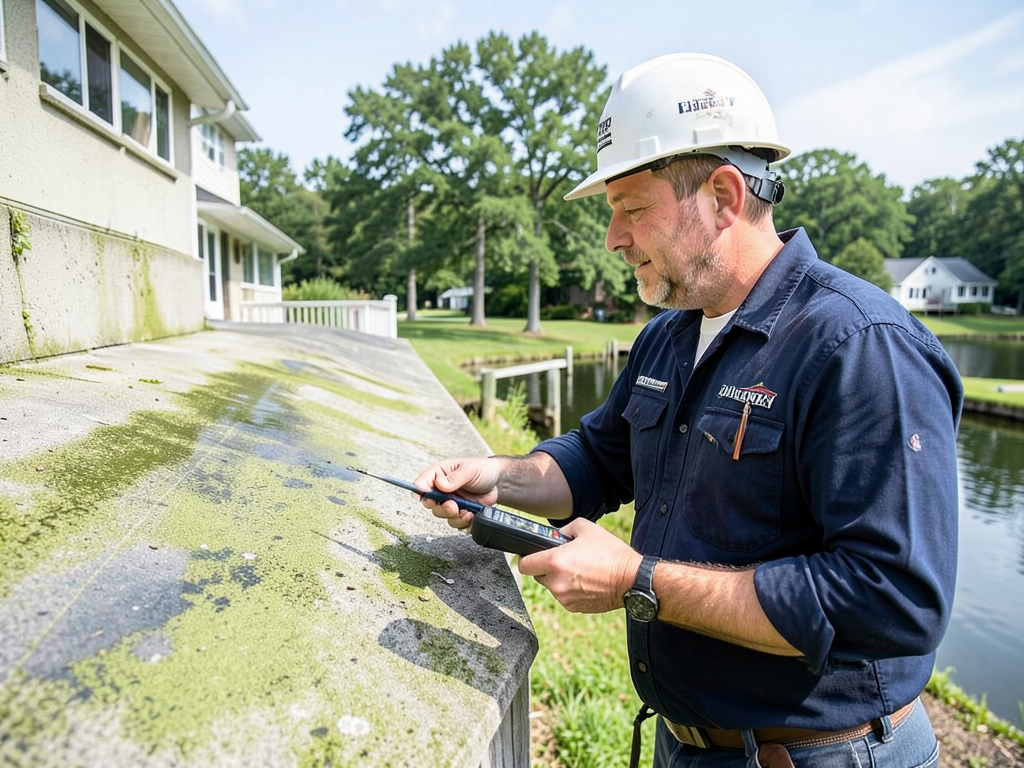
Combating Moisture and Algae on Lakefront Roofs in Old Hickory
Your Old Hickory lakefront home faces unique challenges from constant humidity and algae growth. These environmental conditions create perfect breeding grounds for moisture damage that can compromise your roof’s integrity and shorten its lifespan. Understanding these threats and taking proactive measures is essential for protecting your investment.
Why Old Hickory Lakefront Homes Are Vulnerable to Moisture Damage
Old Hickory’s location along the Cumberland River creates a microclimate with higher humidity levels than surrounding areas. The constant moisture in the air combined with lake-effect breezes means your roof never fully dries out between storms. This persistent dampness allows algae spores to take hold and multiply rapidly on your shingles. Choosing Between Shingles and Metal for Your New Hendersonville Roof.
Algae growth typically appears as dark streaks or patches on your roof, most visible on north-facing slopes that receive less direct sunlight. These organisms feed on the limestone filler in asphalt shingles, gradually breaking down the material and creating entry points for water.
Common Signs of Moisture and Algae Problems
Recognizing early warning signs can prevent costly repairs. Look for dark streaks running vertically down your roof, especially on shaded areas. These streaks indicate active algae colonies consuming your shingles. You might also notice moss growing in the valleys or along the edges where moisture collects.
Inside your home, watch for water stains on ceilings or walls, particularly after heavy rains. Musty odors in your attic or upper rooms suggest moisture has penetrated your roof system. If you can see daylight through your roof boards in the attic, you have serious moisture intrusion that requires immediate attention.
Environmental Factors Affecting Old Hickory Roofs
Old Hickory experiences approximately 50 inches of rainfall annually, with the heaviest precipitation occurring during spring and early summer. The area’s clay soil expands when wet and contracts when dry, creating subtle shifts in your home’s foundation that can stress your roof structure over time.
According to the National Weather Service, Middle Tennessee averages 10-15 severe weather days per year, including thunderstorms with damaging winds and hail. These events can strip away protective granules from your shingles, exposing the underlying material to moisture damage. National Weather Service.
Prevention Strategies for Lakefront Moisture Control
Proper attic ventilation is your first line of defense against moisture buildup. Your attic should maintain consistent airflow through soffit vents, ridge vents, or gable vents. Without adequate ventilation, warm, moist air becomes trapped, condensing on the underside of your roof deck and causing rot.
Installing zinc or copper strips along your roof ridge creates a natural algae deterrent. When rainwater flows over these metal strips, it carries trace amounts of metal ions that inhibit algae growth. This environmentally friendly solution provides long-term protection without harsh chemicals.
Professional Treatment Options
Professional roof cleaning uses low-pressure washing techniques combined with specialized algaecides that kill existing growth without damaging your shingles. Unlike high-pressure washing that can strip protective granules, these methods preserve your roof’s integrity while eliminating harmful organisms.
Algae-resistant shingles contain copper or zinc granules that continuously release metal ions to prevent new growth. While these shingles cost 10-15% more than standard options, they can extend your roof’s lifespan by 5-8 years in high-moisture environments.
Emergency Response for Active Moisture Intrusion
When you discover active leaks or severe algae growth, immediate action prevents further damage. Start by containing interior water damage with buckets and towels. Move furniture and valuables away from affected areas to prevent permanent damage.
Document all visible damage with photos and videos for insurance purposes. This documentation proves invaluable when filing claims and ensures you receive proper compensation for repairs. Keep a detailed log of when you first noticed problems and any temporary measures you’ve taken.
Insurance Considerations for Moisture Damage
Most homeowner’s insurance policies cover sudden water damage from roof leaks but exclude damage from long-term neglect or lack of maintenance. Insurance companies may deny claims if they determine you failed to address known issues promptly or skipped recommended maintenance.
Document your roof’s age and maintenance history to support insurance claims. Keep receipts for professional cleanings, repairs, and inspections. Some insurance providers offer premium discounts for homes with algae-resistant roofing materials or documented maintenance programs. Roofing La Vergne.
Long-Term Maintenance Schedule
Establish a quarterly inspection routine to catch problems early. Check your roof after severe weather events and at season changes. Look for missing or damaged shingles, sagging areas, and signs of algae regrowth. Clean your gutters regularly to prevent water backup that can force moisture under your shingles.
Schedule professional inspections every two years, or annually for homes over 15 years old. These inspections identify hidden problems like deteriorating flashing, damaged underlayment, or structural issues before they cause major damage.
Choosing the Right Materials for Old Hickory
Asphalt shingles remain the most popular choice for Old Hickory homes due to their cost-effectiveness and variety of styles. However, architectural shingles with enhanced algae resistance perform better in our humid climate. These premium shingles feature multiple layers and UV-resistant coatings that withstand moisture exposure.
Metal roofing offers superior moisture resistance and can last 40-70 years with proper maintenance. While the initial investment is higher, metal roofs eliminate algae growth entirely and perform excellently in severe weather conditions common to Middle Tennessee. Tennessee Building Codes.
Local Building Code Requirements
Davidson County requires roofing permits for all replacement projects and major repairs. The International Residential Code (IRC) adopted by Tennessee mandates specific wind resistance ratings for roofing materials based on your location’s exposure to severe weather. Reliable Residential Roofers Serving East Nashville and Inglewood.
Local codes require ice and water shield installation in valleys and along eaves where ice dams commonly form. This self-adhering membrane provides an additional waterproof barrier beneath your primary roofing material. Solving Common Flat Roof Leaks for Downtown Nashville Condos.
When to Call a Professional
Call a professional immediately if you notice active leaks, large areas of algae growth, or structural sagging. These conditions indicate serious problems that require expert diagnosis and repair. Attempting DIY repairs on steep or damaged roofs creates safety hazards and may void manufacturer warranties. Expert Slate and Tile Roof Restoration in Belle Meade.
Professional roofers use moisture meters to detect hidden water intrusion and thermal imaging to identify temperature variations that indicate insulation problems or air leaks. These diagnostic tools reveal issues invisible to the naked eye.
Cost Factors for Moisture Mitigation
Professional roof cleaning typically costs $300-600 for an average-sized home, while algae-resistant shingle installation adds $1,500-3,000 to a standard roof replacement. Metal roofing installation ranges from $8,000-15,000 depending on your home’s size and roof complexity.
Emergency leak repairs average $300-1,000, but costs increase significantly if water damage extends to your home’s interior. Early intervention always proves more cost-effective than addressing extensive damage.
Environmental Impact Considerations
Algae growth on roofs contributes to urban heat island effects by reducing your roof’s reflective properties. This increased heat absorption raises cooling costs and contributes to local temperature increases. Addressing algae problems improves your home’s energy efficiency while protecting the environment.
Many modern roofing materials incorporate recycled content and are themselves recyclable at the end of their service life. Choosing sustainable materials reduces landfill waste and supports environmental conservation efforts.
Seasonal Preparation Tips
Before storm season, inspect your roof for loose or damaged shingles that could become projectiles in high winds. Trim tree branches that overhang your roof to prevent debris accumulation and reduce the risk of impact damage during storms.
Fall maintenance should include gutter cleaning to prevent ice dam formation during winter freezes. Ice dams force melting snow under your shingles, creating ideal conditions for moisture intrusion and subsequent algae growth.
DIY vs. Professional Services
While basic visual inspections are safe for most homeowners, roof work requires proper safety equipment and expertise. Walking on a wet or damaged roof creates serious fall hazards, and improper repair techniques can cause more damage than they fix.
Professional roofers carry liability insurance and workers’ compensation coverage, protecting you from financial responsibility if accidents occur during repairs. They also provide warranties on both materials and workmanship that DIY repairs cannot match.
Future-Proofing Your Roof
Consider installing a whole-house fan or attic fan to improve ventilation and reduce moisture buildup. These systems pull hot, moist air from your attic, reducing the temperature differential that causes condensation on your roof deck.
Smart home moisture sensors can alert you to developing problems before visible damage occurs. These devices monitor humidity levels and temperature variations that indicate potential moisture issues.
Community Resources
The Old Hickory community offers several resources for homeowners dealing with moisture and algae issues. The Old Hickory Village Association maintains a list of vetted contractors familiar with local building challenges and environmental conditions.
Local hardware stores stock products specifically formulated for Middle Tennessee’s climate, including algae-resistant cleaners and preventive treatments designed for our high-humidity environment.
Case Studies: Successful Moisture Management
Homeowners who installed copper ridge caps along with algae-resistant shingles report 80% reduction in algae regrowth over five years. These combined approaches address both immediate and long-term moisture challenges more effectively than single-solution treatments.
Properties with improved attic ventilation systems show 60% less interior moisture damage during severe weather events. Proper airflow prevents the condensation that leads to structural rot and mold growth.
Technology Advancements in Moisture Detection
Modern moisture meters use electromagnetic fields to detect water content in roofing materials without causing damage. These non-invasive tools can identify problem areas behind walls or under shingles where visual inspection fails.
Drone technology allows roofers to inspect steep or complex roof designs safely. High-resolution cameras capture detailed images of hard-to-reach areas, identifying potential problems before they require major repairs.
Building a Relationship with Your Roofer
Establishing a relationship with a local roofing professional ensures consistent, quality service over time. Your roofer becomes familiar with your home’s specific challenges and can provide personalized recommendations based on your property’s unique characteristics.
Regular communication with your roofing contractor helps you stay informed about emerging problems and recommended maintenance schedules. This proactive approach prevents minor issues from becoming major expenses.
Emergency Contact Information
For immediate assistance with moisture or algae problems on your Old Hickory lakefront roof, contact Titan Roofing Nashville at (615) 640-4994. Our emergency response team is available 24/7 to address urgent roofing issues and prevent further damage to your home.
Don’t wait until small problems become major expenses. A quick inspection today can save you thousands in future repairs and protect your home’s value for years to come.
Frequently Asked Questions
How often should I have my lakefront roof inspected?
Schedule professional inspections every two years for homes under 15 years old, and annually for older homes. After severe weather events, conduct immediate visual inspections from the ground to check for obvious damage.
Can I clean algae off my roof myself?
While DIY cleaning is possible, professional cleaning uses specialized equipment and solutions that protect your shingles while effectively eliminating algae. Improper cleaning can damage your roof and void warranties.
How long do algae-resistant shingles last in Old Hickory?
Algae-resistant shingles typically last 25-30 years in our humid climate, compared to 20-25 years for standard shingles. The copper or zinc granules provide continuous protection throughout the shingles’ lifespan.
{
“@context”: “https://schema.org”,
“@type”: “BlogPosting”,
“headline”: “Combating Moisture and Algae on Lakefront Roofs in Old Hickory”,
“description”: “Protect your Old Hickory lakefront home from moisture damage and algae growth. Learn expert prevention strategies and when to call Titan Roofing Nashville at (615) 640-4994.”,
“wordCount”: 1870,
“datePublished”: “2026-04-19T07:07:00.000Z”,
“dateModified”: “2026-04-19T07:07:00.000Z”,
“inLanguage”: “en-US”,
“mainEntityOfPage”: {
“@type”: “WebPage”,
“@id”: “https://titanroofingnashville.com”
},
“publisher”: {
“@type”: “LocalBusiness”,
“name”: “Titan Roofing Nashville”,
“url”: “https://titanroofingnashville.com”
},
“author”: {
“@type”: “Organization”,
“name”: “Titan Roofing Nashville”,
“url”: “https://titanroofingnashville.com”
},
“image”: {
“@type”: “ImageObject”,
“url”: “https://titanroofingnashville.com/wp-content/uploads/2026/03/combating-moisture-and-algae-on-lakefront-roofs-in-1.png”
}
}
{
“@context”: “https://schema.org”,
“@type”: “RoofingContractor”,
“name”: “Titan Roofing Nashville”,
“url”: “https://titanroofingnashville.com”,
“address”: {
“@type”: “PostalAddress”,
“addressLocality”: “Nashville”
},
“areaServed”: {
“@type”: “City”,
“name”: “Nashville”
}
}
{
“@context”: “https://schema.org”,
“@type”: “FAQPage”,
“mainEntity”: [
{
“@type”: “Question”,
“name”: “How often should I have my lakefront roof inspected?”,
“acceptedAnswer”: {
“@type”: “Answer”,
“text”: “Schedule professional inspections every two years for homes under 15 years old, and annually for older homes. After severe weather events, conduct immediate visual inspections from the ground to check for obvious damage.”
}
},
{
“@type”: “Question”,
“name”: “Can I clean algae off my roof myself?”,
“acceptedAnswer”: {
“@type”: “Answer”,
“text”: “While DIY cleaning is possible, professional cleaning uses specialized equipment and solutions that protect your shingles while effectively eliminating algae. Improper cleaning can damage your roof and void warranties.”
}
},
{
“@type”: “Question”,
“name”: “How long do algae-resistant shingles last in Old Hickory?”,
“acceptedAnswer”: {
“@type”: “Answer”,
“text”: “Algae-resistant shingles typically last 25-30 years in our humid climate, compared to 20-25 years for standard shingles. The copper or zinc granules provide continuous protection throughout the shingles’ lifespan.”
}
}
]
}
{
“@context”: “https://schema.org”,
“@type”: “BreadcrumbList”,
“itemListElement”: [
{
“@type”: “ListItem”,
“position”: 1,
“name”: “Home”,
“item”: “https://titanroofingnashville.com”
},
{
“@type”: “ListItem”,
“position”: 2,
“name”: “Blog”,
“item”: “https://titanroofingnashville.com/blog”
},
{
“@type”: “ListItem”,
“position”: 3,
“name”: “Combating Moisture and Algae on Lakefront Roofs in Old Hickory”
}
]
}
{
“@context”: “https://schema.org”,
“@type”: “Service”,
“serviceType”: “Roofing”,
“provider”: {
“@type”: “LocalBusiness”,
“name”: “Titan Roofing Nashville”,
“url”: “https://titanroofingnashville.com”
},
“areaServed”: {
“@type”: “City”,
“name”: “Nashville”
},
“description”: “Protect your Old Hickory lakefront home from moisture damage and algae growth. Learn expert prevention strategies and when to call Titan Roofing Nashville at (615) 640-4994.”
}