
Why a Drip Edge is Essential for Preventing Fascia Rot on Nolensville Houses
Your roof works hard every day protecting your Nolensville home from Middle Tennessee’s heavy rainfall and humidity. One small component that makes a big difference is the drip edge. This simple L-shaped metal flashing installed along your roof’s edges prevents water from seeping behind your fascia boards where it causes expensive rot damage.
Without a drip edge water runs directly off shingles and behind the fascia board. Over time this creates the perfect conditions for wood rot mold growth and structural damage. The constant moisture exposure weakens your roof’s edge making it vulnerable to pest infestations and eventual failure.
Nolensville homeowners face unique challenges with our region’s 47-50 inches of annual rainfall and high humidity levels. These conditions accelerate wood deterioration especially when water gets trapped against fascia boards. A properly installed drip edge directs water away from your home’s structure protecting your investment for years to come.
How Drip Edges Protect Your Roof’s Edge
Drip edges serve as the first line of defense against water infiltration at your roof’s most vulnerable points. The metal flashing extends beyond the roof deck creating a clean edge that guides water into your gutters or away from your foundation. A Homeowner’s Guide to Roof Replacement Costs in Brentwood.
The science behind drip edge protection involves simple physics. Water follows the path of least resistance. Without a drip edge that path leads directly to your fascia board where water can penetrate through nail holes or capillary action. The drip edge creates a barrier forcing water to drop cleanly away from your home’s wooden components.
During Nolensville’s heavy spring thunderstorms water volume increases dramatically. A quality drip edge handles this surge by extending water flow several inches beyond the fascia preventing overflow and splash-back that saturates wooden trim.
Building Code Requirements in Tennessee
Tennessee follows the International Residential Code which mandates drip edge installation on all new construction and roof replacements. According to IRC Section R905.2.8.5 drip edges must be installed along eaves and rake edges with specific dimensions and fastening requirements. International Residential Code Section R905.2.8.5.
The code requires drip edges to extend at least 1/4 inch beyond the roof deck edge and be fastened every 12 inches along the eaves. This isn’t just a suggestion it’s a legal requirement that protects homeowners and ensures proper roof performance.
Davidson County and surrounding areas including Williamson County where Nolensville sits have adopted these IRC standards. Local building inspectors check for proper drip edge installation during final roof inspections. Skipping this component can result in failed inspections and costly rework.
Common Signs of Fascia Rot Without Proper Protection
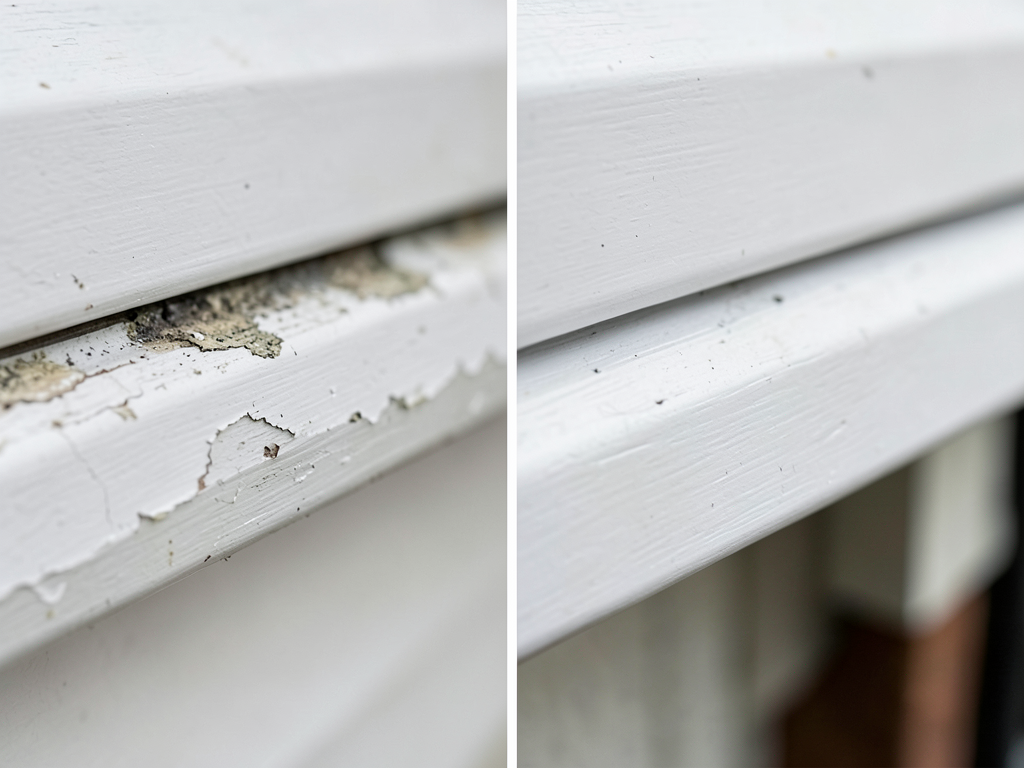
Wood rot develops gradually but shows clear warning signs once established. Paint bubbling or peeling along fascia boards indicates moisture penetration. Dark staining or discoloration suggests water damage that’s already begun affecting the wood structure.
Soft spots when pressing on fascia boards reveal advanced rot. The wood loses its structural integrity and feels spongy or crumbles under pressure. This compromises your roof’s edge making it unable to support gutters properly.
Termite or carpenter ant activity often follows water damage. These pests seek out moist wood making rotted fascia an ideal nesting site. You might notice small holes sawdust piles or actual insect activity around damaged areas.

– Photo showing water damage and rot on fascia boards where drip edge was missing or improperly installed
Types of Drip Edge Profiles for Nashville Homes
Roofers use different drip edge profiles depending on roof design and gutter systems. The most common styles include Type C which has a simple L-shape and Type D which features a slightly different profile for specific applications. Solving Common Flat Roof Leaks for Downtown Nashville Condos.
Type C drip edges work well for most residential installations in Nolensville. The 90-degree angle provides adequate water deflection for standard roof pitches. Type D edges offer enhanced protection for roofs with unusual angles or where additional water channeling is needed. Reliable Residential Roofers Serving East Nashville and Inglewood.
Material selection matters as much as profile choice. Aluminum offers excellent corrosion resistance and works well in our humid climate. Galvanized steel provides superior strength for areas prone to impact from falling branches or severe weather.
Installation Best Practices for Maximum Protection
Proper installation determines whether your drip edge actually prevents water damage. The flashing should extend 2-3 inches beyond the roof deck edge not just the minimum 1/4 inch required by code.
Underlayment integration is crucial. The roof underlayment should extend over the drip edge along eaves creating a continuous water barrier. At rakes the drip edge goes over the underlayment preventing wind-driven rain from getting underneath.
Fastening technique affects long-term performance. Using too few fasteners or placing them incorrectly allows the drip edge to lift during high winds. Every 12 inches with corrosion-resistant nails ensures the flashing stays secure through Middle Tennessee’s weather extremes.
– Diagram showing proper drip edge installation sequence with underlayment integration
Cost Benefits of Installing Drip Edges
Drip edge installation costs between $1-3 per linear foot representing a small fraction of total roof replacement costs. Considering fascia board replacement runs $15-25 per linear foot plus painting the investment in drip edges pays for itself quickly. Choosing Between Shingles and Metal for Your New Hendersonville Roof.
Beyond direct repair savings drip edges prevent secondary damage. Water infiltration can damage roof decking insulation and even interior walls. These repairs multiply the original problem’s cost by factors of three or more. EPA moisture control guidelines.
Insurance companies recognize quality roofing components. Some providers offer premium discounts for homes with proper flashing and water management systems including drip edges. This creates ongoing savings beyond the initial installation. Roofing La Vergne.
Climate Considerations for Nolensville Homes
Nolensville’s location in Middle Tennessee creates specific challenges for roof water management. Our region experiences intense rainfall events especially during spring and early summer. These downpours test every component of your roofing system.
Humidity levels often exceed 70% creating constant moisture in the air. This moisture settles on cool surfaces like fascia boards promoting biological growth even without direct water exposure. Drip edges help by keeping these surfaces dry.
Temperature fluctuations cause materials to expand and contract. Quality drip edges accommodate this movement without separating from the fascia. Cheap or improperly installed flashing often fails at these joints allowing water intrusion.
– Photo showing different drip edge materials side by side with durability comparison
Maintenance and Inspection Tips
Regular inspection catches drip edge problems before they cause fascia damage. Check for separation from the fascia board especially after severe weather. Look for signs of rust or corrosion on metal components.
Gutter maintenance directly affects drip edge performance. Clogged gutters cause water to back up and overflow potentially seeping behind the drip edge. Clean gutters at least twice yearly more often if you have overhanging trees.
Sealant inspection matters too. While quality installations don’t require sealant at every joint checking for gaps or deterioration helps prevent future problems. Small repairs now prevent major fascia replacement later.
Professional Installation vs DIY
DIY drip edge installation seems simple but requires roofing experience for proper results. Professional roofers understand how drip edges integrate with underlayment ventilation systems and local building requirements.
Code compliance represents a major difference. Licensed contractors know current IRC requirements and local amendments. DIY installations often miss critical details that cause inspection failures or warranty issues.
Warranty protection depends on proper installation. Most roofing material manufacturers require specific installation methods for warranty coverage. DIY work often voids these warranties leaving you unprotected if problems develop.
Frequently Asked Questions
Do I need drip edges if I have gutters?
Yes gutters and drip edges serve different functions. Gutters collect water while drip edges direct water away from fascia boards. Both components work together for complete roof edge protection.
How long do drip edges last?
Quality aluminum or galvanized steel drip edges last 20-30 years matching typical shingle lifespans. Factors affecting longevity include material quality installation technique and local weather conditions.
Can I add drip edges to an existing roof?
Adding drip edges to existing roofs requires removing shingles along edges which often means full roof replacement. Some retrofit products exist but provide less protection than properly installed new construction flashing.
What happens if my drip edge fails?
Failed drip edges allow water behind fascia boards causing rot mold growth and structural damage. You might notice peeling paint soft wood or pest activity around roof edges.
Are drip edges required by insurance companies?
While not universally required many insurers prefer homes with proper water management systems. Some companies offer discounts for quality roofing components including drip edges and proper flashing.
Protect Your Nolensville Home Today
Don’t wait for water damage to discover your roof lacks proper protection. A simple drip edge inspection can reveal whether your home has the critical flashing needed to prevent expensive fascia rot.
Middle Tennessee’s weather puts constant stress on roof edges. Our heavy rainfall high humidity and temperature swings create perfect conditions for water damage when protective components fail.
Professional roofers can assess your current drip edge condition and recommend solutions if needed. This small investment prevents thousands in fascia replacement costs and protects your home’s structural integrity.
Call (615) 640-4994 today to schedule your free drip edge inspection. Our experienced team serves Nolensville and all of Middle Tennessee with quality roofing solutions that last.
Don’t let water damage compromise your home’s value and safety. Pick up the phone and call (615) 640-4994 before the next storm hits. Your fascia boards and peace of mind are worth protecting.
You may also find this helpful. Dealing with Massive Pollen Buildup on Your Whites Creek Roof and Gutters.
{
“@context”: “https://schema.org”,
“@type”: “BlogPosting”,
“headline”: “Why a Drip Edge is Essential for Preventing Fascia Rot on Nolensville Houses”,
“description”: “Discover why drip edges prevent fascia rot in Nolensville homes. Learn about building codes, water damage prevention, and expert installation from Nashville roofing specialists.”,
“wordCount”: 1605,
“datePublished”: “2026-04-06T07:27:00.000Z”,
“dateModified”: “2026-04-06T07:27:00.000Z”,
“inLanguage”: “en-US”,
“mainEntityOfPage”: {
“@type”: “WebPage”,
“@id”: “https://titanroofingnashville.com”
},
“publisher”: {
“@type”: “LocalBusiness”,
“name”: “Titan Roofing Nashville”,
“url”: “https://titanroofingnashville.com”
},
“author”: {
“@type”: “Organization”,
“name”: “Titan Roofing Nashville”,
“url”: “https://titanroofingnashville.com”
},
“image”: {
“@type”: “ImageObject”,
“url”: “https://titanroofingnashville.com/wp-content/uploads/2026/03/why-a-drip-edge-is-essential-for-preventing-fascia-1.png”
}
}
{
“@context”: “https://schema.org”,
“@type”: “RoofingContractor”,
“name”: “Titan Roofing Nashville”,
“url”: “https://titanroofingnashville.com”,
“address”: {
“@type”: “PostalAddress”,
“addressLocality”: “Nashville”
},
“areaServed”: {
“@type”: “City”,
“name”: “Nashville”
}
}
{
“@context”: “https://schema.org”,
“@type”: “FAQPage”,
“mainEntity”: [
{
“@type”: “Question”,
“name”: “Do I need drip edges if I have gutters?”,
“acceptedAnswer”: {
“@type”: “Answer”,
“text”: “Yes gutters and drip edges serve different functions. Gutters collect water while drip edges direct water away from fascia boards. Both components work together for complete roof edge protection.”
}
},
{
“@type”: “Question”,
“name”: “How long do drip edges last?”,
“acceptedAnswer”: {
“@type”: “Answer”,
“text”: “Quality aluminum or galvanized steel drip edges last 20-30 years matching typical shingle lifespans. Factors affecting longevity include material quality installation technique and local weather conditions.”
}
},
{
“@type”: “Question”,
“name”: “Can I add drip edges to an existing roof?”,
“acceptedAnswer”: {
“@type”: “Answer”,
“text”: “Adding drip edges to existing roofs requires removing shingles along edges which often means full roof replacement. Some retrofit products exist but provide less protection than properly installed new construction flashing.”
}
},
{
“@type”: “Question”,
“name”: “What happens if my drip edge fails?”,
“acceptedAnswer”: {
“@type”: “Answer”,
“text”: “Failed drip edges allow water behind fascia boards causing rot mold growth and structural damage. You might notice peeling paint soft wood or pest activity around roof edges.”
}
},
{
“@type”: “Question”,
“name”: “Are drip edges required by insurance companies?”,
“acceptedAnswer”: {
“@type”: “Answer”,
“text”: “While not universally required many insurers prefer homes with proper water management systems. Some companies offer discounts for quality roofing components including drip edges and proper flashing.”
}
}
]
}
{
“@context”: “https://schema.org”,
“@type”: “BreadcrumbList”,
“itemListElement”: [
{
“@type”: “ListItem”,
“position”: 1,
“name”: “Home”,
“item”: “https://titanroofingnashville.com”
},
{
“@type”: “ListItem”,
“position”: 2,
“name”: “Blog”,
“item”: “https://titanroofingnashville.com/blog”
},
{
“@type”: “ListItem”,
“position”: 3,
“name”: “Why a Drip Edge is Essential for Preventing Fascia Rot on Nolensville Houses”
}
]
}
{
“@context”: “https://schema.org”,
“@type”: “Service”,
“serviceType”: “Roofing”,
“provider”: {
“@type”: “LocalBusiness”,
“name”: “Titan Roofing Nashville”,
“url”: “https://titanroofingnashville.com”
},
“areaServed”: {
“@type”: “City”,
“name”: “Nashville”
},
“description”: “Discover why drip edges prevent fascia rot in Nolensville homes. Learn about building codes, water damage prevention, and expert installation from Nashville roofing specialists.”
}