
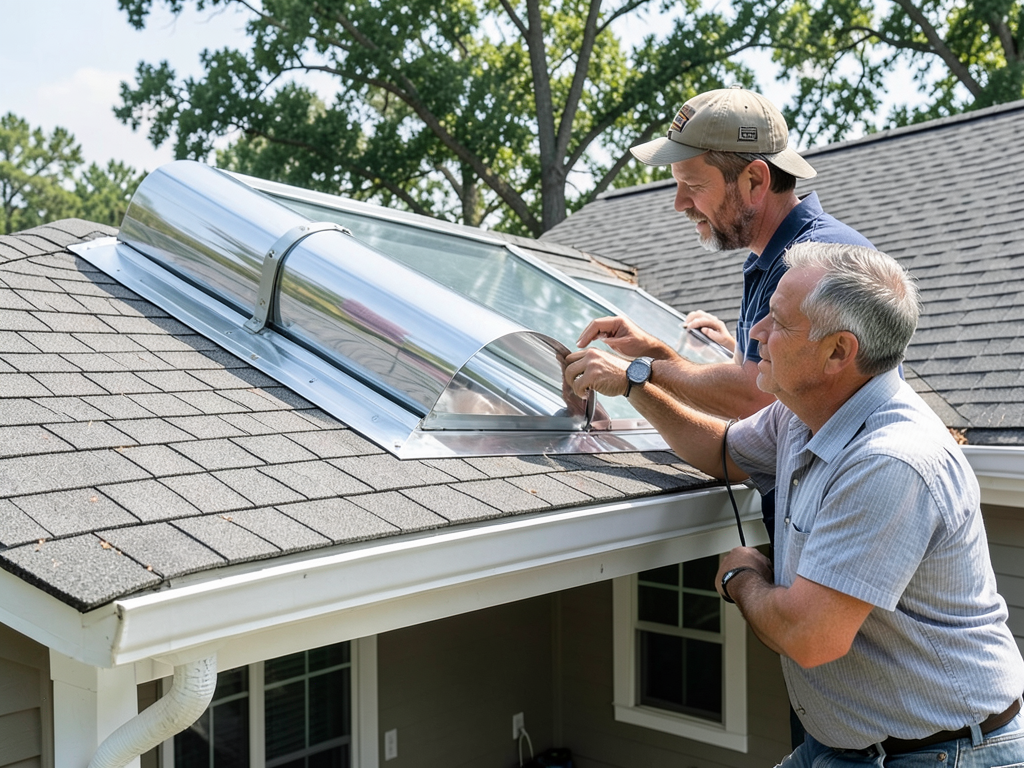
Adding Natural Light to Dark Rooms with Sun Tunnels in Your Woodbine Home
Woodbine homes built in the 1960s and 1970s often have dark interior hallways, bathrooms, and closets that lack windows. Sun tunnels—also called tubular skylights—solve this problem by channeling daylight through a reflective tube from your roof to interior spaces. Unlike traditional skylights that can leak during Nashville’s heavy spring rains, modern sun tunnels create a watertight seal while delivering bright, diffused natural light to even the smallest rooms.
A typical sun tunnel installation takes just a few hours and costs significantly less than cutting a full skylight opening. The reflective interior tube captures sunlight from multiple angles and amplifies it through a diffuser in your ceiling, making a 10-inch tube produce light equivalent to a 100-watt bulb on sunny days. This solution works perfectly for Woodbine’s ranch-style homes with simple roof lines and accessible attic spaces.
Why Choose Sun Tunnels Over Traditional Skylights
Traditional skylights require cutting a large hole in your roof deck and building a light shaft, creating multiple leak points where flashing meets the roof surface. Sun tunnels eliminate these vulnerabilities by using a small roof penetration—typically 10 to 14 inches—sealed with factory-engineered flashing systems that meet Nashville’s International Residential Code requirements for roof penetrations. Reliable Residential Roofers Serving East Nashville and Inglewood.
The installation process for sun tunnels takes 2-4 hours versus 2-3 days for a traditional skylight. This speed matters in Nashville’s climate where afternoon thunderstorms can develop quickly. A sun tunnel crew can complete the entire job before weather becomes a concern, while skylight installations often require multiple return trips for flashing and interior finishing.
Energy efficiency represents another major advantage. Sun tunnels use sealed double-glazed diffusers that prevent heat transfer, while traditional skylights can create hot spots in summer that drive up cooling costs. The reflective tube design also captures low-angle winter light, providing free heat gain during Nashville’s coldest months when positioned on south-facing roof slopes. Energy Department Skylight Guide.
Nashville Climate Considerations for Sun Tunnel Performance
Middle Tennessee’s high humidity creates condensation concerns that affect sun tunnel installations differently than other regions. Quality installations include proper attic ventilation and sealed tube connections to prevent moisture buildup inside the reflective shaft. The EPA recommends Energy Star-rated sun tunnels for humid climates because they include thermal breaks that prevent warm, moist air from contacting cold roof surfaces. EPA Energy Star Skylight Standards.
During Nashville’s severe storm season, sun tunnels must withstand wind speeds up to 90 mph according to Metro Nashville building codes. Velux’s engineered flashing systems use extended underlayment and multiple sealant layers specifically tested for Tennessee’s weather patterns. The rigid tube models perform better in high-wind areas because they maintain their shape and seal integrity under pressure changes.
Winter performance matters in Nashville’s occasional freeze-thaw cycles. Quality sun tunnels include insulated attic sections that prevent condensation from forming on cold metal surfaces. This prevents the “sweating” effect that can damage ceiling materials and create mold growth in attic spaces during temperature swings common in Middle Tennessee winters. Solving Common Flat Roof Leaks for Downtown Nashville Condos.
Step-by-Step Sun Tunnel Installation Process
The installation begins with a roof inspection to identify the optimal location for maximum daylight capture. Technicians use a specialized optical viewer to trace the path from your ceiling to the roof, ensuring the tube can run straight without attic obstructions. This diagnostic step prevents costly mid-installation surprises.
Roof preparation involves removing shingles in a small area and installing ice-and-water shield underlayment that extends 12 inches beyond the flashing perimeter. This extra protection meets Nashville’s code requirements for roof penetrations in areas prone to wind-driven rain. The flashing is then secured with roofing nails and sealed with polyurethane caulk that remains flexible through temperature extremes. Roofing La Vergne.
Tubular installation varies by attic configuration. Flexible tubes work for short runs with obstacles, while rigid tubes provide maximum light output for straight paths. Rigid tubes capture 30% more light but require precise measurements and straight runs. The tube sections connect with snap-lock fittings that create an airtight seal without tools.
Interior finishing involves mounting the ceiling diffuser ring and installing the frosted acrylic dome. Quality installations include trim rings that match your ceiling texture and paint color. The final step tests the seal integrity by spraying water around the flashing while checking for leaks inside the attic space.
Cost Factors and Energy Efficiency Benefits
Sun tunnel costs in Nashville range from $800 to $2,500 depending on roof material, tunnel length, and model selection. Asphalt shingle roofs cost less to penetrate than metal or tile roofs that require specialized flashing. Longer tunnels need additional tube sections and may require attic bracing for stability.
Energy efficiency provides ongoing savings through reduced electric lighting needs. A properly installed sun tunnel can eliminate the need for ceiling lights in bathrooms and hallways during daylight hours. The federal solar tax credit covers 30% of installation costs through 2032 when using Energy Star-rated products, making the net cost comparable to traditional lighting upgrades.
TVA’s Energy Right program offers additional rebates for homes that reduce electrical consumption through natural lighting. Woodbine residents may qualify for up to $200 in rebates when combining sun tunnels with other energy efficiency improvements like LED lighting upgrades or smart thermostats.
Sun Tunnels for Woodbine’s Specific Home Styles
Woodbine’s mid-century ranch homes present ideal conditions for sun tunnel installations. The simple roof lines and accessible attics allow straight tube runs that maximize light output. Most homes have 4:12 to 6:12 roof pitches that work well with standard flashing systems without requiring custom modifications.
Hallways in these homes often lack windows due to interior bedroom layouts. A single 14-inch sun tunnel can illuminate a 40-foot hallway adequately for daytime use. The diffused light eliminates harsh shadows that can make narrow spaces feel smaller, while the sealed design prevents the drafts common with older skylights.
Bathrooms present another perfect application. The high moisture levels in bathrooms make traditional skylights problematic due to leak potential. Sun tunnels provide bright, natural light without creating additional moisture intrusion points. The sealed design also prevents the heat loss associated with older bathroom windows.
Maintenance and Longevity Considerations
Quality sun tunnels require minimal maintenance when properly installed. The exterior dome should be cleaned annually to maintain light transmission, especially in Woodbine where pollen can accumulate on roof surfaces. The sealed design prevents debris from entering the tube, eliminating the need for interior cleaning.
Flashing inspections should occur during routine roof maintenance, typically every 2-3 years. The flexible sealant materials used in quality installations remain pliable through Nashville’s temperature extremes, but UV exposure eventually degrades all sealants. Early detection of minor sealant cracks prevents water infiltration.
The reflective tube interior maintains its performance for 15-20 years under normal conditions. Scratches or dents from attic activities can reduce light transmission, so marking the tube location prevents accidental damage during future home maintenance. The ceiling diffuser may need replacement after 10-15 years due to yellowing of the acrylic material.
Frequently Asked Questions
Do sun tunnels leak during heavy rain?
Quality installations using engineered flashing systems and proper underlayment prevent leaks even during Nashville’s heaviest storms. The sealed design eliminates the multiple penetration points that cause traditional skylight failures.
How long does installation take?
Most installations complete in 2-4 hours for straight runs. Complex attic configurations or custom flashing may extend the timeline to one full day.
Are sun tunnels hail-resistant?
Domes use impact-resistant acrylic tested to withstand hail up to 1.5 inches in diameter. The sealed design also prevents wind-driven rain from entering even if the dome surface becomes scratched.
Can sun tunnels work on north-facing roofs?
Yes, though south-facing installations capture more light. North-facing installations still provide adequate illumination for dark interior spaces, especially when using larger diameter tubes.
Will a sun tunnel affect my roof warranty?
Professional installations using manufacturer-approved flashing systems maintain roof warranties. DIY installations or improper flashing can void warranties, which is why professional installation matters.
Transform Your Dark Spaces Today
Dark hallways, bathrooms, and closets don’t have to stay dark. Sun tunnels provide an affordable, energy-efficient solution that works perfectly with Woodbine’s mid-century home architecture. The sealed design eliminates leak concerns while the reflective technology delivers bright, natural light to even the most interior spaces.
Professional installation ensures your sun tunnel meets Nashville’s building codes and performs reliably through Middle Tennessee’s challenging weather conditions. Don’t let another day go by with dark, gloomy spaces in your home. Call (615) 640-4994 today to schedule your free consultation and discover how affordable natural light can be.
Pick up the phone and call (615) 640-4994 before the next storm season arrives. Our certified technicians will inspect your roof, design the optimal sun tunnel configuration, and complete installation in just a few hours. Transform your dark rooms into bright, inviting spaces that enhance your home’s comfort and value.
{
“@context”: “https://schema.org”,
“@type”: “BlogPosting”,
“headline”: “Adding Natural Light to Dark Rooms with Sun Tunnels in Your Woodbine Home”,
“description”: “Bring natural light into dark hallways and bathrooms with sun tunnels. Learn about Velux installation, Nashville codes, and energy savings for Woodbine homes.”,
“wordCount”: 1485,
“datePublished”: “2026-04-05T12:24:00.000Z”,
“dateModified”: “2026-04-05T12:24:00.000Z”,
“inLanguage”: “en-US”,
“mainEntityOfPage”: {
“@type”: “WebPage”,
“@id”: “https://titanroofingnashville.com”
},
“publisher”: {
“@type”: “LocalBusiness”,
“name”: “Titan Roofing Nashville”,
“url”: “https://titanroofingnashville.com”
},
“author”: {
“@type”: “Organization”,
“name”: “Titan Roofing Nashville”,
“url”: “https://titanroofingnashville.com”
},
“image”: {
“@type”: “ImageObject”,
“url”: “https://titanroofingnashville.com/wp-content/uploads/2026/03/adding-natural-light-to-dark-rooms-with-sun-tunnel-1.png”
}
}
{
“@context”: “https://schema.org”,
“@type”: “RoofingContractor”,
“name”: “Titan Roofing Nashville”,
“url”: “https://titanroofingnashville.com”,
“address”: {
“@type”: “PostalAddress”,
“addressLocality”: “Nashville”
},
“areaServed”: {
“@type”: “City”,
“name”: “Nashville”
}
}
{
“@context”: “https://schema.org”,
“@type”: “FAQPage”,
“mainEntity”: [
{
“@type”: “Question”,
“name”: “Do sun tunnels leak during heavy rain?”,
“acceptedAnswer”: {
“@type”: “Answer”,
“text”: “Quality installations using engineered flashing systems and proper underlayment prevent leaks even during Nashville’s heaviest storms. The sealed design eliminates the multiple penetration points that cause traditional skylight failures.”
}
},
{
“@type”: “Question”,
“name”: “How long does installation take?”,
“acceptedAnswer”: {
“@type”: “Answer”,
“text”: “Most installations complete in 2-4 hours for straight runs. Complex attic configurations or custom flashing may extend the timeline to one full day.”
}
},
{
“@type”: “Question”,
“name”: “Are sun tunnels hail-resistant?”,
“acceptedAnswer”: {
“@type”: “Answer”,
“text”: “Domes use impact-resistant acrylic tested to withstand hail up to 1.5 inches in diameter. The sealed design also prevents wind-driven rain from entering even if the dome surface becomes scratched.”
}
},
{
“@type”: “Question”,
“name”: “Can sun tunnels work on north-facing roofs?”,
“acceptedAnswer”: {
“@type”: “Answer”,
“text”: “Yes, though south-facing installations capture more light. North-facing installations still provide adequate illumination for dark interior spaces, especially when using larger diameter tubes.”
}
},
{
“@type”: “Question”,
“name”: “Will a sun tunnel affect my roof warranty?”,
“acceptedAnswer”: {
“@type”: “Answer”,
“text”: “Professional installations using manufacturer-approved flashing systems maintain roof warranties. DIY installations or improper flashing can void warranties, which is why professional installation matters.”
}
}
]
}
{
“@context”: “https://schema.org”,
“@type”: “BreadcrumbList”,
“itemListElement”: [
{
“@type”: “ListItem”,
“position”: 1,
“name”: “Home”,
“item”: “https://titanroofingnashville.com”
},
{
“@type”: “ListItem”,
“position”: 2,
“name”: “Blog”,
“item”: “https://titanroofingnashville.com/blog”
},
{
“@type”: “ListItem”,
“position”: 3,
“name”: “Adding Natural Light to Dark Rooms with Sun Tunnels in Your Woodbine Home”
}
]
}
{
“@context”: “https://schema.org”,
“@type”: “Service”,
“serviceType”: “Roofing”,
“provider”: {
“@type”: “LocalBusiness”,
“name”: “Titan Roofing Nashville”,
“url”: “https://titanroofingnashville.com”
},
“areaServed”: {
“@type”: “City”,
“name”: “Nashville”
},
“description”: “Bring natural light into dark hallways and bathrooms with sun tunnels. Learn about Velux installation, Nashville codes, and energy savings for Woodbine homes.”
}