
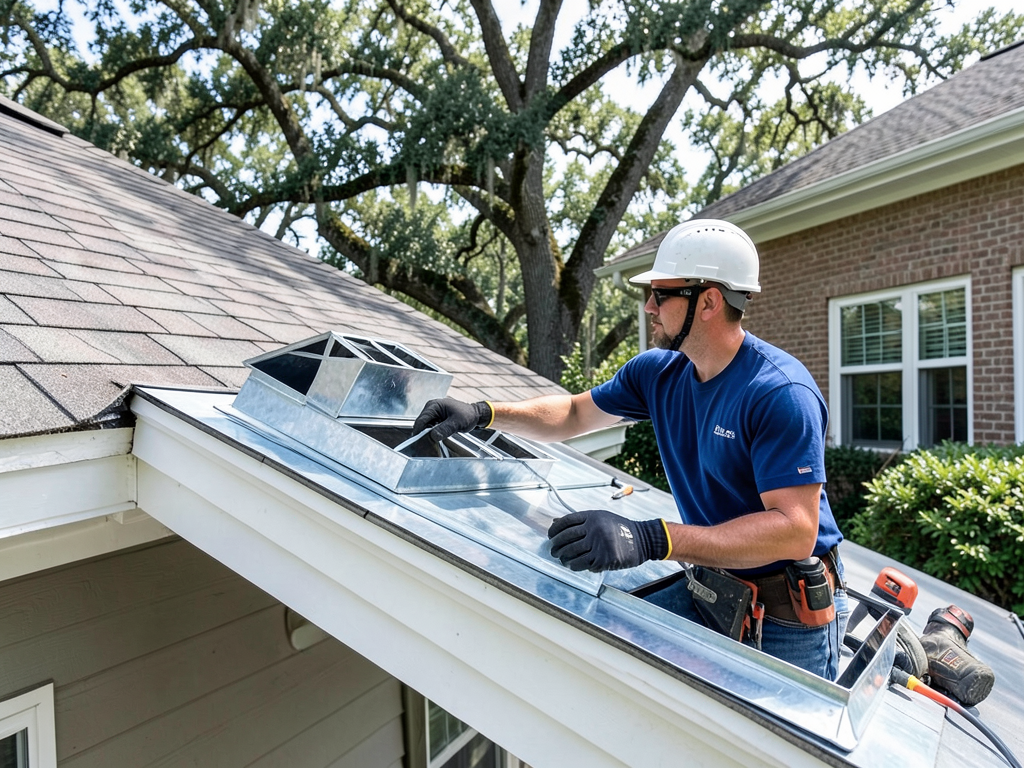
Why Nashville Squirrels Love Chewing on Roof Vents and How to Protect Your Crieve Hall Home
Nashville homeowners in Crieve Hall often discover chewed roof vents during routine inspections or when hearing attic noises. Eastern Gray Squirrels see your roof vents as an invitation to nest inside your attic. These rodents chew through plastic and even soft metals to gain entry, creating openings that allow water infiltration and heat loss. The damage often goes unnoticed until water stains appear on ceilings or insulation becomes contaminated with droppings.
Crieve Hall’s mature oak and maple trees provide perfect launching points for squirrels to access roof lines. The neighborhood’s older homes with traditional asphalt shingle roofs and plastic ridge vents present an easy target. Once inside, squirrels build nests, store food, and create fire hazards by chewing on electrical wiring near attic vents.
The humid Middle Tennessee climate accelerates damage when water enters through chewed vents. Moisture combines with organic debris from squirrel nests to create ideal conditions for mold growth in attic spaces. This combination of pest intrusion and water damage can compromise your roof’s structural integrity and indoor air quality. Tennessee Animal Health Regulations.
Why Squirrels Target Roof Vents in Nashville Homes
Squirrels chew on roof vents for several biological reasons. Their front teeth never stop growing, requiring constant gnawing to maintain proper length. Roof vents provide the perfect texture and resistance for this natural behavior. The warm air escaping through vents also attracts squirrels seeking shelter during Nashville’s cold winters and hot summers.
Eastern Gray Squirrels in Davidson County become particularly active during breeding seasons in late winter and midsummer. Pregnant females search for safe nesting sites, and your attic accessed through a chewed vent becomes prime real estate. The animals can squeeze through openings as small as two inches, making standard plastic roof vents vulnerable.
Crieve Hall homes often feature ridge vents along the roof peak, box vents on the surface, or turbine vents that spin with wind. Each type presents different vulnerabilities to squirrel damage. Ridge vents with their continuous opening along the roof line offer the longest potential entry point. Box vents mounted on the roof surface provide a flat target for chewing. Turbine vents with their moving parts can become stuck and create larger openings.
Common Signs of Squirrel Damage to Roof Vents
Homeowners should watch for specific indicators of squirrel activity around roof vents. Chewed edges on plastic vent covers show distinct parallel tooth marks approximately 1/8 inch apart. You might notice small wood chips or plastic fragments on the ground below roof vents. Fresh gnaw marks appear lighter in color than older damage.
Audible signs include scratching noises in walls or ceilings, particularly during early morning or evening when squirrels are most active. You may hear running sounds as they travel along rafters or build nests. These noises often stop when you make loud sounds, confirming animal presence rather than mechanical issues.
Visual inspections from ground level can reveal damaged vent screens or missing vent covers. Look for dark staining around vent edges from squirrel oils or droppings. During winter months, you might see daylight through damaged vents when inspecting your attic. The presence of nesting materials like leaves, twigs, or insulation pulled into piles indicates established squirrel activity.
Hidden Dangers of Squirrel-Damaged Roof Vents
Water damage represents the most immediate threat from compromised roof vents. Even small openings allow wind-driven rain to enter attic spaces during Nashville’s frequent thunderstorms. The water soaks insulation, stains ceilings, and promotes wood rot in roof decking. This damage often spreads beyond the immediate vent area as water travels along rafters.
Fire hazards increase significantly when squirrels chew on electrical wiring near attic vents. The animals often gnaw through wire insulation, exposing live conductors. Combined with dry nesting materials, this creates conditions for electrical fires that can spread rapidly through attic spaces before smoke detectors activate.
Health concerns arise from accumulated squirrel droppings and urine in attic spaces. These waste products can harbor bacteria and parasites that may enter living spaces through ceiling penetrations or HVAC systems. The ammonia smell from accumulated urine often becomes noticeable in extreme cases, particularly during humid weather when odors intensify.
Mold growth accelerates in attics with damaged vents due to increased moisture levels. Nashville’s high humidity creates perfect conditions for mold spores to colonize damp wood and insulation. This growth can spread to wall cavities and living spaces, potentially causing respiratory issues for occupants with allergies or asthma.
Comparing Vent Materials: Vulnerability to Squirrel Damage
| Vent Material | Squirrel Resistance | Cost Range | Lifespan in Nashville Climate |
|---|---|---|---|
| Standard Plastic | Low – Easily chewed | $15-25 per vent | 5-10 years |
| Aluminum | Medium – May resist casual chewing | $25-40 per vent | 15-20 years |
| Galvanized Steel | High – Resists chewing | $40-60 per vent | 25+ years |
| Copper | Very High – Nearly impervious | $75-100 per vent | 40+ years |
Squirrel-Proof Vent Protection Options for Nashville Homes
Heavy-duty metal vent guards provide the most reliable protection against squirrel damage. These guards install over existing vents and feature 1/4-inch galvanized steel mesh that prevents animal entry while maintaining proper ventilation. The powder-coated finish resists corrosion in Nashville’s humid climate and matches most roof colors. Reliable Residential Roofers Serving East Nashville and Inglewood.
Professional installation ensures proper fit and sealing around vent edges. Technicians secure guards with corrosion-resistant screws and apply sealant to prevent water infiltration. This approach costs more upfront than DIY solutions but provides superior protection and typically includes warranty coverage.
Stainless steel mesh offers another effective option for vulnerable vent areas. This material resists chewing and rust while allowing maximum airflow. Installation involves fitting mesh over vent openings and securing with specialized clips that won’t back out over time. The fine mesh prevents even small rodents from entering while maintaining ventilation efficiency.
Replacement with chew-resistant materials eliminates vulnerabilities entirely. Upgrading from plastic to metal vents removes the temptation for squirrels while improving overall roof performance. This approach works best during roof replacement or when existing vents show significant wear from age or pest damage.
The Professional Repair Process for Squirrel-Damaged Vents
Initial inspection involves comprehensive attic examination to assess damage extent. Technicians check for nesting sites, contamination levels, and related structural damage. They also inspect surrounding roof areas for additional entry points that squirrels might have created.
Damage documentation includes photographs of chewed vents, water stains, and contamination. This information helps determine whether insurance claims are appropriate and guides repair prioritization. Technicians also check attic insulation for moisture damage and contamination that requires replacement. A Homeowner’s Guide to Roof Replacement Costs in Brentwood.
Removal of contaminated materials follows safety protocols to prevent spreading pathogens. Technicians wear protective equipment and use specialized vacuums for droppings and nesting materials. They also check for mold growth that requires remediation before repairs begin.
Repair execution involves replacing damaged vents with chew-resistant alternatives, repairing water-damaged decking, and installing protective guards. Technicians ensure proper flashing integration to maintain roof waterproofing. They also seal all potential entry points around vents, pipes, and roof edges.
Cost Factors for Squirrel Damage Repair in Middle Tennessee
Repair costs vary based on damage extent and repair complexity. Simple vent guard installation runs $150-300 per vent including materials and labor. This option works for homes with minor damage or as preventive measures.
Complete vent replacement with protective upgrades costs $300-600 per vent. This includes removing damaged components, installing new chew-resistant vents, and adding protective guards. Homes with multiple damaged vents see economies of scale, reducing per-unit costs.
Extensive damage requiring decking replacement or mold remediation increases costs significantly. These repairs run $1,000-3,000 depending on affected area size. Insurance often covers these costs when professionally documented and when caused by covered perils like wind-driven rain entering through chewed vents.
Emergency services for active infestations cost more due to after-hours labor rates and expedited material delivery. These situations require immediate attention to prevent further damage, making the premium worthwhile for most homeowners.
Why Professional Installation Beats DIY Squirrel Prevention
Professional roofers understand Nashville’s specific building codes and weather patterns. They know proper flashing techniques that prevent water infiltration around vent guards. DIY installations often create new leak points by using incorrect sealants or improper fastening methods.
Safety considerations make professional service essential for most homeowners. Working on roofs requires proper fall protection equipment and experience handling steep slopes. Professionals also carry insurance that protects homeowners from liability if accidents occur during repairs.
Warranty protection comes standard with professional installations. Most reputable roofing companies guarantee their work against defects and material failure for specified periods. This protection doesn’t exist with DIY projects, leaving homeowners responsible for any failures.
Comprehensive solutions address all potential entry points rather than just visible damage. Professionals inspect entire roof systems to identify vulnerabilities that homeowners might miss. This thorough approach prevents squirrels from simply moving to unprotected areas after repairs.
Insurance Coverage for Squirrel Damage in Tennessee
Tennessee homeowners insurance policies vary in squirrel damage coverage. Most policies cover sudden, accidental damage but exclude damage from rodents considered preventable through maintenance. This distinction becomes crucial when filing claims for squirrel-damaged vents.
Documented damage with professional inspection reports strengthens insurance claims. Insurers look for evidence that damage occurred suddenly rather than gradually through lack of maintenance. Recent inspections showing good vent condition before damage occurred support sudden damage claims.
Water damage resulting from chewed vents often receives better coverage than the vent damage itself. Insurance companies recognize that wind-driven rain entering through animal-created openings constitutes a covered peril. This coverage extends to ceiling repairs, insulation replacement, and mold remediation resulting from water intrusion.
Prevention discounts may be available for homes with professional pest-proofing measures. Some insurers offer premium reductions for documented installation of chew-resistant vents and protective guards. These discounts can offset installation costs over time.
Preventing Future Squirrel Problems in Crieve Hall Homes
Landscape management reduces squirrel access to roofs. Keep tree branches trimmed at least six feet from roof edges to prevent easy jumping access. Remove bird feeders near the house that attract squirrels and provide them with food sources that encourage population growth near your home.
Regular roof inspections catch damage early before extensive repairs become necessary. Professional inspections every two years identify chewed vents, loose flashing, and other vulnerabilities. These inspections cost $150-300 but often prevent thousands in repair costs.
Neighborhood cooperation improves prevention effectiveness. Squirrels move between properties, so coordinated prevention efforts work better than isolated measures. Consider organizing community education events or group discounts for professional prevention services. Choosing Between Shingles and Metal for Your New Hendersonville Roof.
Seasonal awareness helps anticipate problem periods. Late winter and midsummer breeding seasons see increased squirrel activity around homes. Schedule inspections and preventive measures before these peak periods to avoid infestations.
Choosing the Right Contractor for Squirrel Damage Repairs
Verify licensing and insurance before hiring any contractor. Tennessee requires roofing contractors to maintain proper licensing and liability insurance. Ask for proof of both and verify with the Tennessee Board for Licensing Contractors.
Experience with local wildlife issues matters more than general roofing experience. Contractors familiar with Nashville’s specific squirrel problems understand effective prevention strategies and common damage patterns in Crieve Hall homes. Solving Common Flat Roof Leaks for Downtown Nashville Condos.
References from local homeowners provide valuable insight into contractor reliability. Ask for references from Crieve Hall or similar neighborhoods where mature trees create comparable squirrel access issues. Contact these references to discuss their experiences with the contractor.
Written estimates should detail materials, work scope, and warranty terms. Compare multiple estimates to understand market rates and identify unusually low bids that might indicate substandard materials or workmanship.
Frequently Asked Questions
How can I tell if squirrels have damaged my roof vents?
Look for chewed edges on vent covers, small plastic or wood fragments below vents, and fresh gnaw marks that appear lighter than surrounding material. You might also hear scratching noises in your attic, especially during early morning or evening hours.
Can I install squirrel guards on my roof vents myself?
While DIY installation is possible, professional installation ensures proper sealing and integration with existing roofing materials. Professionals also have proper safety equipment and understand local building codes that affect vent installations.
Will my homeowners insurance cover squirrel damage to roof vents?
Coverage varies by policy, but most insurers cover sudden, accidental damage while excluding damage from rodents considered preventable through maintenance. Water damage resulting from chewed vents often receives better coverage than the vent damage itself.
How much does it cost to repair squirrel-damaged roof vents?
Simple vent guard installation costs $150-300 per vent. Complete vent replacement with protective upgrades runs $300-600 per vent. Extensive damage requiring decking replacement or mold remediation can cost $1,000-3,000 depending on affected area size.
What materials resist squirrel chewing best?
Galvanized steel and copper offer the best resistance to squirrel chewing. Heavy-duty aluminum provides medium resistance, while standard plastic remains highly vulnerable. Stainless steel mesh guards over existing vents also provide excellent protection.
How can I prevent squirrels from damaging my roof vents?
Install chew-resistant vent covers or protective guards, keep tree branches trimmed at least six feet from your roof, and schedule regular professional inspections. Consider replacing vulnerable plastic vents with metal alternatives during your next roof replacement.
Protecting Your Crieve Hall Home from Squirrel Damage
Crieve Hall homeowners face unique challenges from local squirrel populations due to the neighborhood’s mature tree canopy and older home construction. These conditions create perfect environments for Eastern Gray Squirrels to access and damage roof vents. Understanding the risks and implementing proper prevention measures protects your home from water damage, fire hazards, and costly repairs.
Professional assessment and repair provide the most reliable protection against squirrel damage. Experienced roofing contractors understand local building codes, proper installation techniques, and effective prevention strategies specific to Nashville’s climate and wildlife patterns. They can identify vulnerabilities that homeowners might miss and recommend appropriate solutions.
Don’t wait for water stains to appear on your ceiling or strange noises to echo through your attic. Early intervention prevents minor damage from becoming major structural issues. Schedule a professional roof inspection to check for existing damage and discuss preventive measures appropriate for your specific home and situation.
Call (615) 640-4994 today to schedule your inspection and protect your Crieve Hall home from costly squirrel damage. Our experienced team understands the unique challenges Nashville homeowners face and provides effective solutions backed by warranties and local expertise. Expert Slate and Tile Roof Restoration in Belle Meade.
Pick up the phone and call (615) 640-4994 before the next storm hits. Don’t let squirrels turn your roof vents into entry points for water damage and attic infestations. We’re ready to help you protect your home with proven prevention strategies and quality repairs. For more information, visit National Roofing Contractors Association.
{
“@context”: “https://schema.org”,
“@type”: “BlogPosting”,
“headline”: “Why Nashville Squirrels Love Chewing on Roof Vents and How to Protect Your Crieve Hall Home”,
“description”: “Learn why Eastern Gray Squirrels target roof vents in Crieve Hall and how to prevent costly damage. Expert Nashville roofing advice from Titan Roofing.”,
“wordCount”: 2460,
“datePublished”: “2026-03-27T11:19:00.000Z”,
“dateModified”: “2026-03-27T11:19:00.000Z”,
“inLanguage”: “en-US”,
“mainEntityOfPage”: {
“@type”: “WebPage”,
“@id”: “https://titanroofingnashville.com”
},
“publisher”: {
“@type”: “LocalBusiness”,
“name”: “Titan Roofing Nashville”,
“url”: “https://titanroofingnashville.com”
},
“author”: {
“@type”: “Organization”,
“name”: “Titan Roofing Nashville”,
“url”: “https://titanroofingnashville.com”
},
“image”: {
“@type”: “ImageObject”,
“url”: “https://titanroofingnashville.com/wp-content/uploads/2026/03/why-nashville-squirrels-love-chewing-on-roof-vents-1.png”
}
}
{
“@context”: “https://schema.org”,
“@type”: “RoofingContractor”,
“name”: “Titan Roofing Nashville”,
“url”: “https://titanroofingnashville.com”,
“address”: {
“@type”: “PostalAddress”,
“addressLocality”: “Nashville”
},
“areaServed”: {
“@type”: “City”,
“name”: “Nashville”
}
}
{
“@context”: “https://schema.org”,
“@type”: “FAQPage”,
“mainEntity”: [
{
“@type”: “Question”,
“name”: “How can I tell if squirrels have damaged my roof vents?”,
“acceptedAnswer”: {
“@type”: “Answer”,
“text”: “Look for chewed edges on vent covers, small plastic or wood fragments below vents, and fresh gnaw marks that appear lighter than surrounding material. You might also hear scratching noises in your attic, especially during early morning or evening hours.”
}
},
{
“@type”: “Question”,
“name”: “Can I install squirrel guards on my roof vents myself?”,
“acceptedAnswer”: {
“@type”: “Answer”,
“text”: “While DIY installation is possible, professional installation ensures proper sealing and integration with existing roofing materials. Professionals also have proper safety equipment and understand local building codes that affect vent installations.”
}
},
{
“@type”: “Question”,
“name”: “Will my homeowners insurance cover squirrel damage to roof vents?”,
“acceptedAnswer”: {
“@type”: “Answer”,
“text”: “Coverage varies by policy, but most insurers cover sudden, accidental damage while excluding damage from rodents considered preventable through maintenance. Water damage resulting from chewed vents often receives better coverage than the vent damage itself.”
}
},
{
“@type”: “Question”,
“name”: “How much does it cost to repair squirrel-damaged roof vents?”,
“acceptedAnswer”: {
“@type”: “Answer”,
“text”: “Simple vent guard installation costs $150-300 per vent. Complete vent replacement with protective upgrades runs $300-600 per vent. Extensive damage requiring decking replacement or mold remediation can cost $1,000-3,000 depending on affected area size.”
}
},
{
“@type”: “Question”,
“name”: “What materials resist squirrel chewing best?”,
“acceptedAnswer”: {
“@type”: “Answer”,
“text”: “Galvanized steel and copper offer the best resistance to squirrel chewing. Heavy-duty aluminum provides medium resistance, while standard plastic remains highly vulnerable. Stainless steel mesh guards over existing vents also provide excellent protection.”
}
},
{
“@type”: “Question”,
“name”: “How can I prevent squirrels from damaging my roof vents?”,
“acceptedAnswer”: {
“@type”: “Answer”,
“text”: “Install chew-resistant vent covers or protective guards, keep tree branches trimmed at least six feet from your roof, and schedule regular professional inspections. Consider replacing vulnerable plastic vents with metal alternatives during your next roof replacement.”
}
}
]
}
{
“@context”: “https://schema.org”,
“@type”: “BreadcrumbList”,
“itemListElement”: [
{
“@type”: “ListItem”,
“position”: 1,
“name”: “Home”,
“item”: “https://titanroofingnashville.com”
},
{
“@type”: “ListItem”,
“position”: 2,
“name”: “Blog”,
“item”: “https://titanroofingnashville.com/blog”
},
{
“@type”: “ListItem”,
“position”: 3,
“name”: “Why Nashville Squirrels Love Chewing on Roof Vents and How to Protect Your Crieve Hall Home”
}
]
}
{
“@context”: “https://schema.org”,
“@type”: “Service”,
“serviceType”: “Roofing”,
“provider”: {
“@type”: “LocalBusiness”,
“name”: “Titan Roofing Nashville”,
“url”: “https://titanroofingnashville.com”
},
“areaServed”: {
“@type”: “City”,
“name”: “Nashville”
},
“description”: “Learn why Eastern Gray Squirrels target roof vents in Crieve Hall and how to prevent costly damage. Expert Nashville roofing advice from Titan Roofing.”
}