
How to Maintain the Integrity of a Steep Slope Roof on Your Hillsboro Village Tudor
Your Hillsboro Village Tudor deserves specialized care. The steep roof pitches common to these historic homes create unique challenges in Nashville’s climate. This guide walks you through maintaining your steep slope roof’s integrity using local expertise and proven techniques. Expert Slate and Tile Roof Restoration in Belle Meade.
Understanding Your Hillsboro Village Tudor’s Roof Pitch
Most Tudors in Hillsboro Village feature roof pitches between 8:12 and 12:12. This means for every 12 inches of horizontal run the roof rises 8 to 12 inches. These steep angles require specialized safety equipment and installation techniques that standard roofing crews cannot provide. Choosing Between Shingles and Metal for Your New Hendersonville Roof.
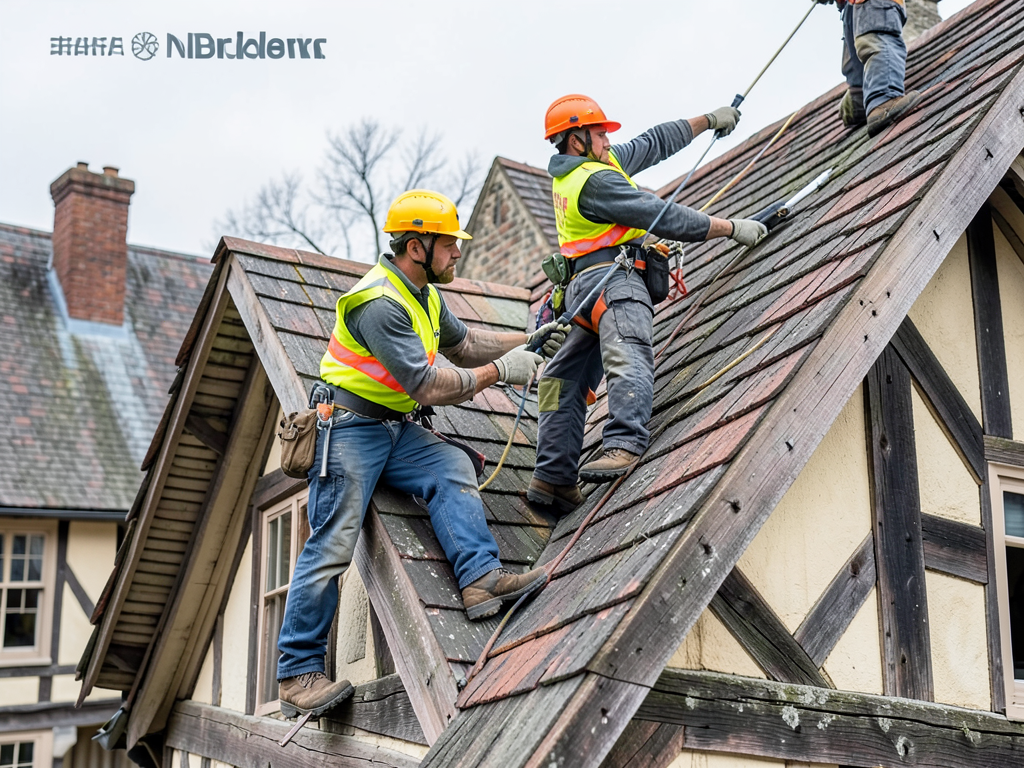
Diagram showing common Tudor roof pitches with safety anchor points marked Solving Common Flat Roof Leaks for Downtown Nashville Condos.
Why Steep Slope Roofing Demands Special Expertise
Steep slopes create several challenges. Workers cannot walk freely on these surfaces. Standard underlayment installation methods fail. Wind uplift forces increase dramatically. Most importantly, the visual impact of every detail magnifies on steep roofs. A small installation error becomes immediately visible from the street.
According to the International Residential Code adopted in Davidson County, roofs with pitches above 9:12 require enhanced fastening patterns and specific underlayment systems. These requirements exist because steep slopes shed water faster but also create higher wind loads during Nashville’s frequent storm events. International Residential Code requirements.
Material Selection for Nashville’s Climate
Middle Tennessee weather creates specific demands. High humidity promotes algae growth. Summer heat exceeds 90 degrees for weeks. Spring storms bring wind gusts over 70 mph. Winter brings occasional ice that can damage flashing.
Three materials perform best on steep Tudor roofs in Nashville:
| Material | Lifespan in TN Climate | Best For | Cost Factor |
|---|---|---|---|
| Architectural Asphalt | 20-25 years | Budget-conscious homeowners | $$ |
| Synthetic Slate | 40-50 years | Historic accuracy seekers | $$$ |
| Standing Seam Metal | 50+ years | Storm resistance priority | $$$$ |
Critical Underlayment Systems
Standard roofing felt fails on steep slopes. During installation it can slip or tear. More importantly, it provides inadequate protection against wind-driven rain that can penetrate even small gaps.
Modern synthetic underlayments offer superior performance. These materials remain stable during installation. They seal around nails. They provide better traction for workers. Most importantly, they resist moisture infiltration during Nashville’s heavy downpours.
For Tudor roofs in Hillsboro Village, we recommend two layers of synthetic underlayment with ice and water shield in valleys and along eaves. This system meets and exceeds Metro Nashville requirements for steep slope applications.
Safety Requirements That Protect Your Investment
Working on steep slopes requires specialized equipment. OSHA mandates specific fall protection for pitches above 6:12. This includes full-body harnesses, anchor systems rated for 5,000 pounds, and specialized scaffolding. OSHA roofing safety guidelines.

Photo showing OSHA-compliant steep slope safety equipment in use on a Tudor roof
Beyond regulations, proper safety equipment protects your home. Dropped tools can damage shingles or break windows. Careless foot traffic can create wear patterns. Professional steep slope crews use roof jacks and planks to distribute weight evenly.
Flashing Details That Prevent Leaks
Steep Tudor roofs feature numerous dormers, gables, and valleys. Each intersection creates potential leak points. Proper flashing becomes critical.
Step flashing along dormer walls must extend at least 4 inches up the wall and 4 inches onto the roof. Counter flashing should overlap step flashing by at least 2 inches. Valley flashing requires open-cut designs rather than closed cuts to prevent debris buildup.
During Nashville’s humid summers, these flashing details prevent the moisture intrusion that causes wood rot and mold growth in attic spaces.
Ventilation Challenges in Steep Pitch Architecture
Tudor homes often feature complex roof lines with multiple ridges and valleys. This complexity creates ventilation challenges. Poor airflow leads to heat buildup in summer and moisture problems in winter.
Proper ventilation requires balanced intake and exhaust. Ridge vents work well on steep slopes but must be installed with proper baffles to prevent wind-driven rain infiltration. Soffit vents should provide equal or greater intake area than ridge vents provide exhaust.
In Hillsboro Village’s humid climate, inadequate ventilation can reduce shingle lifespan by 30% or more.
Maintenance Schedule for Steep Slope Roofs
Steep roofs hide damage from ground view. Regular inspection becomes essential. We recommend professional inspection twice yearly.
- Spring Inspection
Check for winter damage, clean gutters, inspect flashing after freeze-thaw cycles.
- Fall Preparation
Clear debris from valleys, check tree branches that could fall in winter storms.
- Post-Storm Assessment
After severe weather, check for missing shingles or damaged flashing.
- Attic Monitoring
Look for water stains or mold growth that indicates hidden leaks.
Common Problems and Early Warning Signs
Steep roofs develop specific failure patterns. Understanding these helps you catch problems early.
Granule loss appears first on south-facing slopes where sun exposure is highest. This indicates aging shingles that need replacement soon. Curling or cupping edges suggest poor ventilation or age. Missing shingles after storms require immediate attention.
Inside your home, water stains on ceilings or walls near exterior walls often indicate roof problems. Musty odors in upper rooms suggest moisture intrusion. These signs require professional diagnosis.
Why Local Experience Matters
Hillsboro Village features historic preservation guidelines. Any roof work must maintain architectural integrity. Local contractors understand these requirements. They know which materials and colors complement surrounding homes. A Homeowner’s Guide to Roof Replacement Costs in Brentwood.
Beyond regulations, local experience means understanding Middle Tennessee weather patterns. A contractor who has worked in Nashville for years knows how our humidity affects materials. They understand how our storms create specific damage patterns.
Before and after photos of a Tudor roof restoration in Hillsboro Village
Insurance Considerations for Steep Slope Homes
Insurance companies recognize that steep slope roofs perform better in high winds. Many offer premium discounts for homes with pitches above 9:12. However, they also require documentation of proper installation and maintenance.
Keep records of all roof work. Save inspection reports. Document any repairs. This documentation helps when filing claims after storm damage. It also supports your case for insurance discounts.
Choosing the Right Contractor
Not all roofing companies handle steep slopes. Look for specific qualifications. Ask about safety training. Request references from similar projects. Verify insurance coverage includes steep slope work.
Professional steep slope contractors carry specialized equipment. They maintain specific safety certifications. They understand the unique challenges of working on high pitches in residential neighborhoods. Reliable Residential Roofers Serving East Nashville and Inglewood.
Call (615) 640-4994 today to schedule your steep slope roof inspection. Our Nashville-based team specializes in Tudor roof maintenance and understands the unique requirements of Hillsboro Village homes.
Frequently Asked Questions
How often should I inspect my steep slope Tudor roof?
Professional inspection twice yearly plus after severe storms provides optimal protection. Steep slopes hide damage that becomes visible only from close inspection.
Can I walk on my steep Tudor roof for inspection?
No. Roofs with pitches above 7:12 become dangerous to walk on. Use binoculars from the ground or hire professionals with proper safety equipment.
What’s the best material for a steep slope Tudor in Nashville?
Material choice depends on budget and goals. Architectural asphalt offers good value. Synthetic slate provides historic accuracy. Standing seam metal delivers maximum durability.
How do I know if my steep slope roof needs replacement?
Missing shingles, extensive granule loss, curling edges, and interior water stains indicate replacement needs. Age also matters. Most steep slope roofs need replacement after 20-30 years.
Does Hillsboro Village have specific roofing requirements?
Yes. The neighborhood falls under historic preservation guidelines. Work must maintain architectural character. Certain materials and colors may be restricted. Check with Metro Historic Zoning before starting work.
How much does steep slope roofing cost compared to standard roofs?
Steep slope work typically costs 20-40% more than standard roofs. Higher costs reflect specialized equipment, additional safety requirements, and longer installation times.
Pick up the phone and call (615) 640-4994 before the next storm hits. Your Hillsboro Village Tudor deserves expert care from professionals who understand steep slope roofing challenges specific to Nashville’s climate and historic neighborhoods.
{
“@context”: “https://schema.org”,
“@type”: “BlogPosting”,
“headline”: “How to Maintain the Integrity of a Steep Slope Roof on Your Hillsboro Village Tudor”,
“description”: “Protect your Hillsboro Village Tudor with expert steep slope roof maintenance. Learn Nashville-specific materials, safety protocols, and inspection tips for historic homes.”,
“wordCount”: 1345,
“datePublished”: “2026-03-29T09:22:00.000Z”,
“dateModified”: “2026-03-29T09:22:00.000Z”,
“inLanguage”: “en-US”,
“mainEntityOfPage”: {
“@type”: “WebPage”,
“@id”: “https://titanroofingnashville.com”
},
“publisher”: {
“@type”: “LocalBusiness”,
“name”: “Titan Roofing Nashville”,
“url”: “https://titanroofingnashville.com”
},
“author”: {
“@type”: “Organization”,
“name”: “Titan Roofing Nashville”,
“url”: “https://titanroofingnashville.com”
},
“image”: {
“@type”: “ImageObject”,
“url”: “https://titanroofingnashville.com/wp-content/uploads/2026/03/how-to-maintain-the-integrity-of-a-steep-slope-roo-1.png”
}
}
{
“@context”: “https://schema.org”,
“@type”: “RoofingContractor”,
“name”: “Titan Roofing Nashville”,
“url”: “https://titanroofingnashville.com”,
“address”: {
“@type”: “PostalAddress”,
“addressLocality”: “Nashville”
},
“areaServed”: {
“@type”: “City”,
“name”: “Nashville”
}
}
{
“@context”: “https://schema.org”,
“@type”: “FAQPage”,
“mainEntity”: [
{
“@type”: “Question”,
“name”: “How often should I inspect my steep slope Tudor roof?”,
“acceptedAnswer”: {
“@type”: “Answer”,
“text”: “Professional inspection twice yearly plus after severe storms provides optimal protection. Steep slopes hide damage that becomes visible only from close inspection.”
}
},
{
“@type”: “Question”,
“name”: “Can I walk on my steep Tudor roof for inspection?”,
“acceptedAnswer”: {
“@type”: “Answer”,
“text”: “No. Roofs with pitches above 7:12 become dangerous to walk on. Use binoculars from the ground or hire professionals with proper safety equipment.”
}
},
{
“@type”: “Question”,
“name”: “What’s the best material for a steep slope Tudor in Nashville?”,
“acceptedAnswer”: {
“@type”: “Answer”,
“text”: “Material choice depends on budget and goals. Architectural asphalt offers good value. Synthetic slate provides historic accuracy. Standing seam metal delivers maximum durability.”
}
},
{
“@type”: “Question”,
“name”: “How do I know if my steep slope roof needs replacement?”,
“acceptedAnswer”: {
“@type”: “Answer”,
“text”: “Missing shingles, extensive granule loss, curling edges, and interior water stains indicate replacement needs. Age also matters. Most steep slope roofs need replacement after 20-30 years.”
}
},
{
“@type”: “Question”,
“name”: “Does Hillsboro Village have specific roofing requirements?”,
“acceptedAnswer”: {
“@type”: “Answer”,
“text”: “Yes. The neighborhood falls under historic preservation guidelines. Work must maintain architectural character. Certain materials and colors may be restricted. Check with Metro Historic Zoning before starting work.”
}
},
{
“@type”: “Question”,
“name”: “How much does steep slope roofing cost compared to standard roofs?”,
“acceptedAnswer”: {
“@type”: “Answer”,
“text”: “Steep slope work typically costs 20-40% more than standard roofs. Higher costs reflect specialized equipment, additional safety requirements, and longer installation times.”
}
}
]
}
{
“@context”: “https://schema.org”,
“@type”: “HowTo”,
“name”: “Steep Slope Roof Maintenance”,
“step”: [
{
“@type”: “HowToStep”,
“position”: 1,
“name”: “Spring Inspection”,
“text”: “Check for winter damage, clean gutters, inspect flashing after freeze-thaw cycles.”
},
{
“@type”: “HowToStep”,
“position”: 2,
“name”: “Fall Preparation”,
“text”: “Clear debris from valleys, check tree branches that could fall in winter storms.”
},
{
“@type”: “HowToStep”,
“position”: 3,
“name”: “Post-Storm Assessment”,
“text”: “After severe weather, check for missing shingles or damaged flashing.”
},
{
“@type”: “HowToStep”,
“position”: 4,
“name”: “Attic Monitoring”,
“text”: “Look for water stains or mold growth that indicates hidden leaks.”
}
],
“image”: “https://titanroofingnashville.com/wp-content/uploads/2026/03/how-to-maintain-the-integrity-of-a-steep-slope-roo-1.png”
}
{
“@context”: “https://schema.org”,
“@type”: “BreadcrumbList”,
“itemListElement”: [
{
“@type”: “ListItem”,
“position”: 1,
“name”: “Home”,
“item”: “https://titanroofingnashville.com”
},
{
“@type”: “ListItem”,
“position”: 2,
“name”: “Blog”,
“item”: “https://titanroofingnashville.com/blog”
},
{
“@type”: “ListItem”,
“position”: 3,
“name”: “How to Maintain the Integrity of a Steep Slope Roof on Your Hillsboro Village Tudor”
}
]
}
{
“@context”: “https://schema.org”,
“@type”: “Service”,
“serviceType”: “Roofing”,
“provider”: {
“@type”: “LocalBusiness”,
“name”: “Titan Roofing Nashville”,
“url”: “https://titanroofingnashville.com”
},
“areaServed”: {
“@type”: “City”,
“name”: “Nashville”
},
“description”: “Protect your Hillsboro Village Tudor with expert steep slope roof maintenance. Learn Nashville-specific materials, safety protocols, and inspection tips for historic homes.”
}