
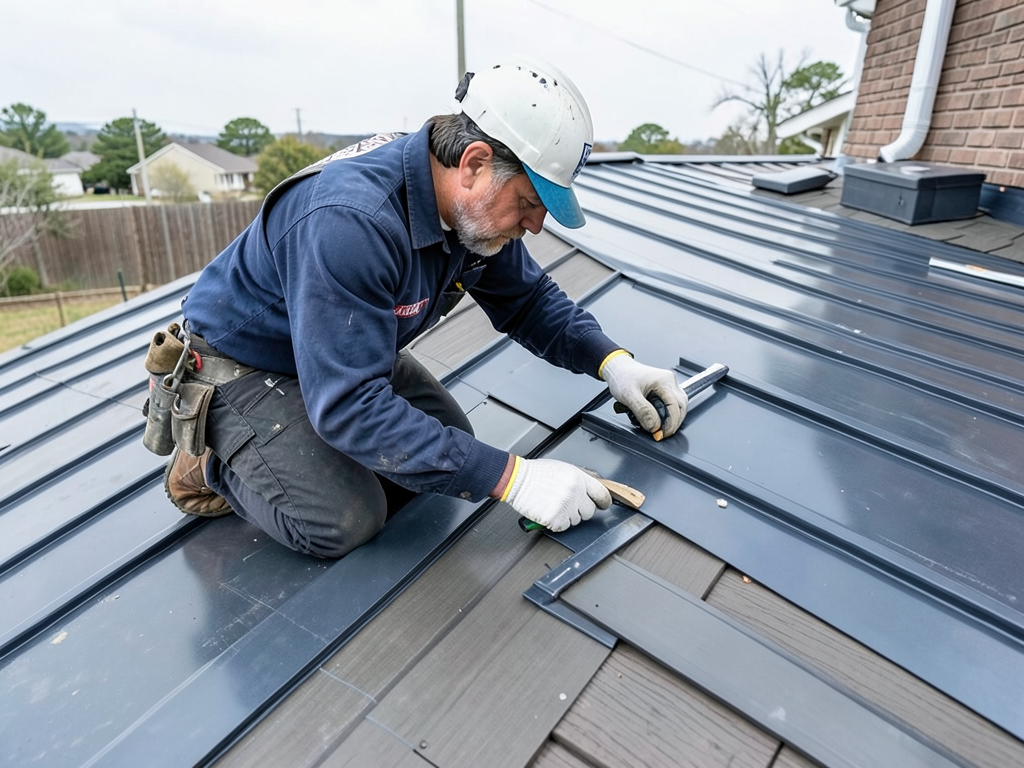
Metal Roof Rain Noise: What Nashville Homeowners Need to Know
The sound of rain on a metal roof has become a hot topic among Nashville homeowners weighing their roofing options. Many people still picture the loud pinging noise from old barns and sheds, but modern metal roofing technology has changed the game completely. Roofing La Vergne.
Today’s metal roofs installed over solid sheathing with proper underlayment and insulation can be just as quiet as traditional asphalt shingles during heavy Tennessee rainstorms. The key lies in understanding how sound travels through different roof systems and what installation methods actually reduce noise transmission.
Nashville experiences an average of 47 inches of rainfall annually, with spring thunderstorms bringing intense downpours that test any roofing material. The good news is that when properly installed, metal roofing systems can handle these conditions while maintaining comfortable indoor acoustics.
Understanding the science behind roof noise helps homeowners make informed decisions about their investment. The thickness of the metal panels, the type of underlayment used, and the presence of attic insulation all play crucial roles in determining how much sound reaches your living space.
Modern Metal Roofing Technology Has Changed Everything
Traditional metal roofs installed on open purlins or battens create a drum-like surface where raindrops strike directly against the metal. This setup, common in agricultural buildings, produces the loud pinging sound many people associate with metal roofing. Solving Common Flat Roof Leaks for Downtown Nashville Condos.
Modern residential metal roofing systems use solid roof decking as the foundation. This OSB or plywood substrate acts as a natural sound barrier, absorbing much of the impact before sound waves can travel into your home’s interior. When combined with synthetic underlayment, the noise reduction becomes even more dramatic. Reliable Residential Roofers Serving East Nashville and Inglewood.
The type of metal panel also affects noise levels. Standing seam systems with their raised seams and concealed fasteners tend to be quieter than corrugated panels because they have fewer direct impact points where water can strike the metal surface.
Understanding Decibel Levels: Metal vs. Asphalt
Sound measurements show that properly installed metal roofs with solid decking produce noise levels comparable to asphalt shingles during rainfall. In controlled tests, heavy rain on a metal roof with insulation measures approximately 52 decibels, while asphalt shingles register around 51 decibels.
These numbers might seem close, but the human ear perceives a 10-decibel difference as twice as loud. The minimal difference between metal and asphalt means most homeowners would need specialized equipment to tell them apart during a rainstorm. Choosing Between Shingles and Metal for Your New Hendersonville Roof.
Without proper insulation, metal roofs can reach 70 decibels or higher during heavy rain, which would be noticeably louder than asphalt. This is why the underlayment and insulation choices become critical for noise-sensitive homeowners.
Key Factors That Influence Roof Noise Levels
Several installation factors determine how much rain noise reaches your living space. The attic floor insulation plays a surprisingly important role, as it absorbs sound waves that travel through the roof structure before they can enter your home’s interior.
Roof pitch also affects noise transmission. Steeper pitches allow rain to run off more quickly, reducing the duration of direct impacts on the metal surface. A 6:12 pitch roof will generally be quieter than a 4:12 pitch during the same storm.
The thickness of the metal panels matters too. Heavier gauge steel or aluminum panels vibrate less when struck by raindrops, producing less sound transmission than thinner materials. Premium metal roofing systems often use 24- or 26-gauge steel compared to the 29-gauge used in economy panels.
Professional Soundproofing Strategies for Metal Roofs
Professional roofers use multiple layers of sound reduction when installing metal roofing systems. The first line of defense is high-quality synthetic underlayment, which provides both waterproofing and noise dampening properties.
Furring strips create an air gap between the metal panels and the solid decking, breaking the direct sound path. This simple addition can reduce noise transmission by 30-40 percent compared to direct-to-deck installation.
Specialized sound-deadening insulation under the metal panels adds another layer of protection. These materials, often made from recycled rubber or dense foam, absorb impact vibrations before they can travel through the roof structure.
Nashville Weather Considerations for Metal Roofing
Nashville’s climate presents unique challenges for roofing materials. Our spring thunderstorms often bring intense rainfall rates exceeding 2 inches per hour, testing the limits of any roofing system’s noise reduction capabilities.
The Cumberland River valley location means we experience frequent weather systems that can produce sustained heavy rainfall over several hours. This extended exposure makes sound reduction features even more important for homeowner comfort.
Winter conditions add another layer of complexity. When rain falls on cold metal surfaces, it can create ice buildup that affects both noise levels and water shedding. Proper installation techniques account for these temperature variations.
Cost-Benefit Analysis of Soundproofing Upgrades
Premium underlayment and sound-deadening insulation typically add $1,500 to $3,000 to a standard metal roof installation. However, this investment often pays for itself through increased home comfort and potentially higher property values.
Homeowners who plan to stay in their homes long-term often find the additional cost worthwhile, especially if they have home offices or bedrooms directly under the roof. The peace of mind during storms can be invaluable.
For investment properties or homes likely to be sold within a few years, the standard installation with solid decking usually provides adequate noise reduction at a lower price point.
Installation Best Practices for Quiet Metal Roofing
Proper installation technique makes a significant difference in noise reduction. Roofers should ensure all fasteners are properly seated and that no metal panels can vibrate against each other during wind or rain events.
The roof decking must be completely flat and free of gaps before metal installation begins. Any irregularities in the substrate can create noise amplification points where panels flex and create additional sound.
Seams and transitions require special attention. Areas where different roof planes meet or where penetrations exist need additional sealing and sound dampening to prevent noise transmission.
Comparing Metal to Other Roofing Materials
Beyond asphalt shingles, homeowners might consider tile, slate, or composite roofing materials. Each has different noise characteristics during rainfall, with some surprisingly loud options like clay tile producing more noise than properly installed metal. Expert Slate and Tile Roof Restoration in Belle Meade.
Tile and slate roofs can reach 65-70 decibels during heavy rain due to their rigid, non-absorbent nature. Composite materials vary widely in their noise transmission properties depending on their construction and installation method.
Metal roofing often provides the best combination of durability, energy efficiency, and noise control when properly installed with modern soundproofing techniques.
Energy Efficiency and Noise Reduction Synergy
Many soundproofing materials used in metal roofing also provide thermal insulation benefits. This dual-purpose approach means homeowners can improve both their home’s acoustics and energy efficiency with the same investment.
Reflective underlayment materials can reduce summer heat gain while also dampening sound transmission. This combination makes metal roofing an attractive option for Nashville’s hot, humid summers and stormy springs.
The energy savings from proper insulation often offset a portion of the initial installation costs, making premium soundproofing features more affordable than they might initially appear.
Maintenance Considerations for Long-Term Performance
Once installed, metal roofs require minimal maintenance to maintain their noise reduction properties. Unlike some other materials, metal doesn’t degrade in a way that would increase noise transmission over time.
Annual inspections should check for loose fasteners or damaged underlayment that could compromise the sound barrier. Most issues, if caught early, can be repaired without replacing entire roof sections. EPA Stormwater Management.
The solid decking beneath metal roofing provides long-term stability that helps maintain consistent noise reduction throughout the roof’s 40-70 year lifespan.
Making the Right Choice for Your Nashville Home
The decision between metal and other roofing materials should consider more than just noise levels. Metal roofing offers superior durability, energy efficiency, and resistance to Nashville’s severe weather patterns including hail and high winds.
Homeowners who prioritize long-term value and minimal maintenance often find that metal roofing’s benefits outweigh minor noise concerns, especially when modern soundproofing techniques are employed.
Consulting with experienced local roofers who understand Nashville’s specific climate challenges can help homeowners make the best choice for their situation and budget.
Frequently Asked Questions
Will a metal roof be noticeably louder than my current asphalt shingles?
Not if properly installed. Modern metal roofs with solid decking and insulation typically measure within 1-2 decibels of asphalt shingles during rainfall, which is not noticeable to the human ear.
What’s the most cost-effective way to reduce metal roof noise?
Using high-quality synthetic underlayment and ensuring solid roof decking are the most cost-effective noise reduction methods. These features cost significantly less than premium sound-deadening insulation but still provide excellent results.. Read more about Cost Effective Roof Restoration Options for Warehouses in Metro Industrial Park.
Do all metal roofing styles produce the same amount of noise?
No. Standing seam systems with their raised profiles and fewer direct impact points tend to be quieter than corrugated panels. The installation method matters more than the panel style for noise control.
How does Nashville’s heavy rainfall affect metal roof noise levels?
Heavy rainfall increases noise levels for any roofing material, but properly installed metal roofs handle intense storms well. The solid decking and insulation prevent the dramatic noise increases that might occur with older installation methods.
Can I add soundproofing to an existing metal roof?
Adding soundproofing to an existing metal roof is difficult and often not cost-effective. The best approach is to ensure proper soundproofing during the initial installation or replacement.
Ready to Install a Quiet, Durable Metal Roof?
Don’t let noise concerns prevent you from enjoying the benefits of modern metal roofing. Our experienced team understands Nashville’s unique weather patterns and installs metal roofs that combine durability with comfortable indoor acoustics.
We use proven soundproofing techniques and high-quality materials to ensure your new roof performs beautifully for decades. Whether you’re building new or replacing an existing roof, we’ll help you make the right choice for your home and budget.
Call (615) 640-4994 today to schedule your free consultation and learn how we can install a metal roof that’s both incredibly durable and surprisingly quiet during Tennessee’s heaviest rainstorms. For more information, visit National Association of Home Inspectors.
{
“@context”: “https://schema.org”,
“@type”: “BlogPosting”,
“headline”: “Dealing with the Noise of a Metal Roof During Heavy Tennessee Rainstorms”,
“description”: “Concerned about metal roof noise in Nashville storms? Learn how modern installation methods and insulation can make metal roofs as quiet as asphalt shingles.”,
“wordCount”: 1710,
“datePublished”: “2026-04-07T13:02:00.000Z”,
“dateModified”: “2026-04-07T13:02:00.000Z”,
“inLanguage”: “en-US”,
“mainEntityOfPage”: {
“@type”: “WebPage”,
“@id”: “https://titanroofingnashville.com”
},
“publisher”: {
“@type”: “LocalBusiness”,
“name”: “Titan Roofing Nashville”,
“url”: “https://titanroofingnashville.com”
},
“author”: {
“@type”: “Organization”,
“name”: “Titan Roofing Nashville”,
“url”: “https://titanroofingnashville.com”
},
“image”: {
“@type”: “ImageObject”,
“url”: “https://titanroofingnashville.com/wp-content/uploads/2026/03/dealing-with-the-noise-of-a-metal-roof-during-heav-1.png”
}
}
{
“@context”: “https://schema.org”,
“@type”: “RoofingContractor”,
“name”: “Titan Roofing Nashville”,
“url”: “https://titanroofingnashville.com”,
“address”: {
“@type”: “PostalAddress”,
“addressLocality”: “Nashville”
},
“areaServed”: {
“@type”: “City”,
“name”: “Nashville”
}
}
{
“@context”: “https://schema.org”,
“@type”: “FAQPage”,
“mainEntity”: [
{
“@type”: “Question”,
“name”: “Will a metal roof be noticeably louder than my current asphalt shingles?”,
“acceptedAnswer”: {
“@type”: “Answer”,
“text”: “Not if properly installed. Modern metal roofs with solid decking and insulation typically measure within 1-2 decibels of asphalt shingles during rainfall, which is not noticeable to the human ear.”
}
},
{
“@type”: “Question”,
“name”: “What’s the most cost-effective way to reduce metal roof noise?”,
“acceptedAnswer”: {
“@type”: “Answer”,
“text”: “Using high-quality synthetic underlayment and ensuring solid roof decking are the most cost-effective noise reduction methods. These features cost significantly less than premium sound-deadening insulation but still provide excellent results.”
}
},
{
“@type”: “Question”,
“name”: “Do all metal roofing styles produce the same amount of noise?”,
“acceptedAnswer”: {
“@type”: “Answer”,
“text”: “No. Standing seam systems with their raised profiles and fewer direct impact points tend to be quieter than corrugated panels. The installation method matters more than the panel style for noise control.”
}
},
{
“@type”: “Question”,
“name”: “How does Nashville’s heavy rainfall affect metal roof noise levels?”,
“acceptedAnswer”: {
“@type”: “Answer”,
“text”: “Heavy rainfall increases noise levels for any roofing material, but properly installed metal roofs handle intense storms well. The solid decking and insulation prevent the dramatic noise increases that might occur with older installation methods.”
}
},
{
“@type”: “Question”,
“name”: “Can I add soundproofing to an existing metal roof?”,
“acceptedAnswer”: {
“@type”: “Answer”,
“text”: “Adding soundproofing to an existing metal roof is difficult and often not cost-effective. The best approach is to ensure proper soundproofing during the initial installation or replacement.”
}
},
{
“@type”: “Question”,
“name”: “Ready to Install a Quiet, Durable Metal Roof?”,
“acceptedAnswer”: {
“@type”: “Answer”,
“text”: “Don’t let noise concerns prevent you from enjoying the benefits of modern metal roofing. Our experienced team understands Nashville’s unique weather patterns and installs metal roofs that combine durability with comfortable indoor acoustics.”
}
}
]
}
{
“@context”: “https://schema.org”,
“@type”: “BreadcrumbList”,
“itemListElement”: [
{
“@type”: “ListItem”,
“position”: 1,
“name”: “Home”,
“item”: “https://titanroofingnashville.com”
},
{
“@type”: “ListItem”,
“position”: 2,
“name”: “Blog”,
“item”: “https://titanroofingnashville.com/blog”
},
{
“@type”: “ListItem”,
“position”: 3,
“name”: “Dealing with the Noise of a Metal Roof During Heavy Tennessee Rainstorms”
}
]
}
{
“@context”: “https://schema.org”,
“@type”: “Service”,
“serviceType”: “Roofing”,
“provider”: {
“@type”: “LocalBusiness”,
“name”: “Titan Roofing Nashville”,
“url”: “https://titanroofingnashville.com”
},
“areaServed”: {
“@type”: “City”,
“name”: “Nashville”
},
“description”: “Concerned about metal roof noise in Nashville storms? Learn how modern installation methods and insulation can make metal roofs as quiet as asphalt shingles.”
}