
Comparing Ridge Vents and Attic Fans for Better Summer Airflow in La Vergne
If your La Vergne home feels like an oven during Tennessee summers, attic ventilation is likely the culprit. The humid subtropical climate of Middle Tennessee creates unique challenges for homeowners trying to keep their homes cool and energy-efficient. This comprehensive guide compares ridge vents and attic fans, two of the most popular ventilation solutions, to help you make the right choice for your specific home and budget. Tennessee Building Commission.
Ridge vents work passively by allowing hot air to escape through the peak of your roof while drawing in cooler air from soffit vents below. Attic fans actively pull hot air out using electricity or solar power. Both systems can reduce attic temperatures by 20-30 degrees in our Nashville summers, but they work very differently and come with distinct trade-offs.
Understanding these differences matters because the wrong choice can actually trap moisture in your attic during our humid summers, leading to mold growth and premature roof deterioration. Tennessee building code R806.1 requires proper attic ventilation to prevent these exact issues, making this decision both a comfort and code compliance matter for La Vergne homeowners. Roofing La Vergne.
How Ridge Vents Work in Middle Tennessee’s Climate
Ridge vents rely on the natural stack effect where hot air rises and escapes through the roof peak. As air exits through the ridge vent, it creates negative pressure that pulls cooler air in through soffit vents along the eaves. This continuous airflow cycle works 24/7 without any electricity or moving parts.
The key advantage for La Vergne homes is their passive nature. During our frequent summer thunderstorms, ridge vents continue working even when power goes out. They also handle Middle Tennessee’s high humidity better than active systems because they don’t create the negative pressure that can pull moisture-laden air into your attic from outside.
However, ridge vents require proper installation with adequate soffit intake ventilation. The International Residential Code specifies 1 square foot of net free area ventilation for every 150 square feet of attic space. Without proper intake, ridge vents can become ineffective, essentially turning your attic into a hot air trap. Reliable Residential Roofers Serving East Nashville and Inglewood.
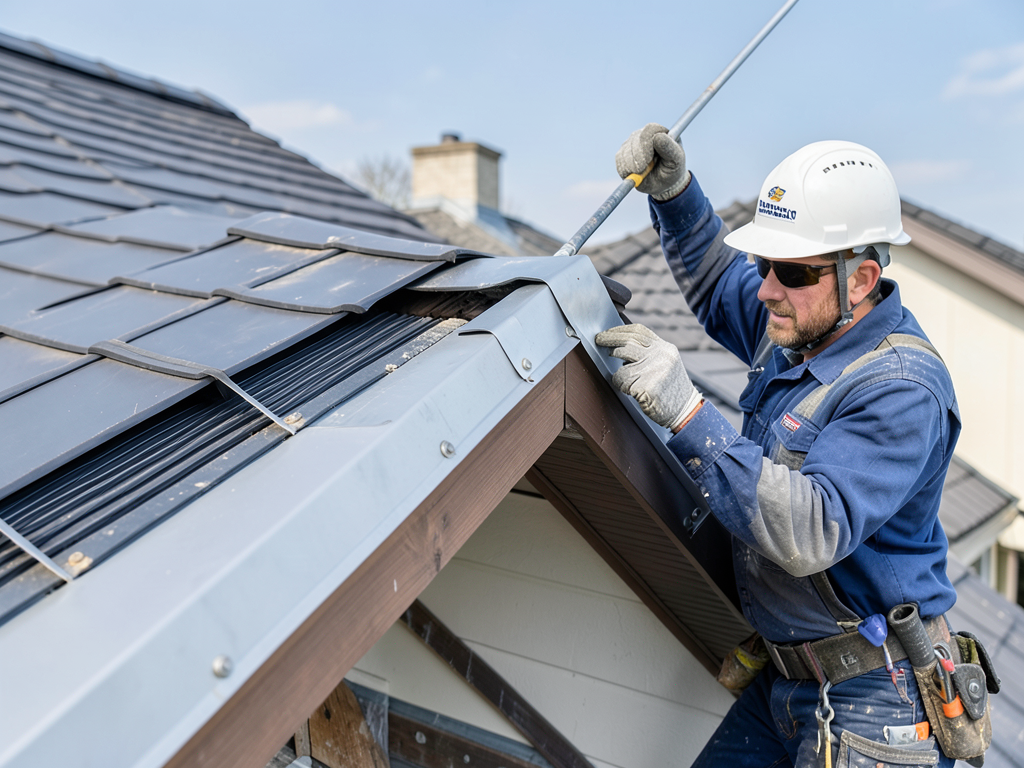
The Pros and Cons of Attic Fans
Attic fans actively remove hot air using electric or solar-powered motors. A typical 1,600 CFM fan can exchange the air in a 1,500 square foot attic every 3-4 minutes during peak heat. This rapid air movement provides immediate temperature reduction that passive systems cannot match.
The biggest advantage for La Vergne homeowners is the immediate impact. When attic temperatures hit 130-140 degrees on a July afternoon, an attic fan can bring that down to 100-110 degrees within an hour. This translates to lower cooling costs since your air conditioner doesn’t have to fight against super-heated air from above. Expert Slate and Tile Roof Restoration in Belle Meade.
The downside is energy consumption and potential moisture issues. Electric fans add to your power bill, though the cooling savings often offset this cost. More critically, if your attic has any air leaks into your living space, the fan’s negative pressure can pull conditioned air up through those leaks, wasting energy and potentially bringing moisture into the attic.
Head-to-Head Comparison: Cost, Efficiency, and Lifespan
| Feature | Ridge Vents | Attic Fans |
|---|---|---|
| Initial Cost (La Vergne) | $300-600 installed | $400-1,200 installed |
| Energy Use | None | 300-400 watts electric |
| Lifespan | 20-25 years | 10-15 years |
| Maintenance | Minimal (inspect annually) | Clean blades, check motor yearly |
| Noise Level | Silent | 40-60 dB (humming) |
The cost difference becomes clear when you consider the total investment over 20 years. A ridge vent costs about $30 per year in amortized installation cost with zero energy expenses. An electric attic fan might cost $80-100 per year including electricity and replacement after 10-12 years.
However, attic fans provide superior temperature reduction during extreme heat waves. When Nashville hits 95+ degrees for multiple days, the active ventilation can keep your attic 15-20 degrees cooler than a passive system, potentially saving $20-30 per month on cooling costs during peak summer months.
The Nashville Factor: Humidity and Heat Considerations
Middle Tennessee’s climate creates unique ventilation challenges that homeowners in drier climates don’t face. Our average July humidity ranges from 65-85%, meaning the air entering your attic is already moisture-laden. This matters because both ventilation systems must manage not just heat but also humidity to prevent condensation and mold growth.
Ridge vents handle humidity better because they work with natural airflow patterns. The stack effect creates gentle, consistent air movement that doesn’t disturb the moisture balance in your attic. This is particularly important for homes with spray foam insulation, which can trap moisture if ventilation is too aggressive.
Attic fans can actually worsen humidity problems if not properly controlled. A fan running when outside humidity is 80% can pull that moist air into your attic, where it condenses on cooler surfaces at night. This is why thermostatically controlled fans with humidistats are recommended for Tennessee homes, though they add $100-150 to the installation cost.
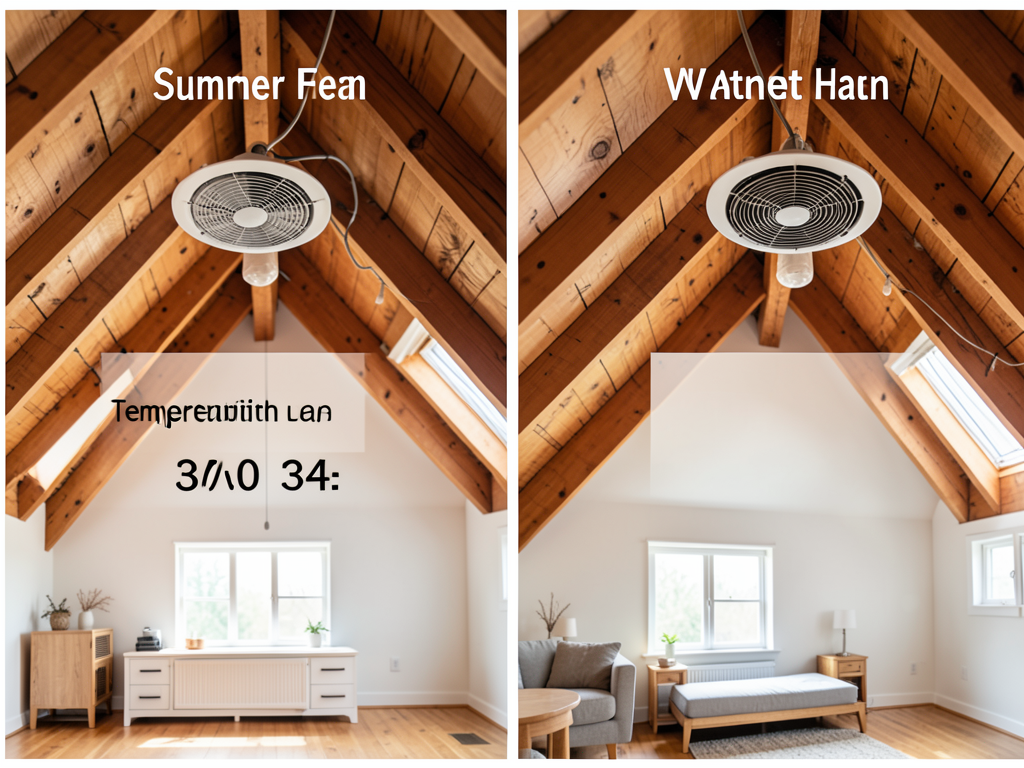
Can You Use Both? The Short-Circuiting Warning
Many homeowners ask if they can install both ridge vents and attic fans for maximum ventilation. The answer is complicated: you can, but it often creates problems that reduce effectiveness and can even damage your roof.
The issue is called short-circuiting. When an attic fan creates strong negative pressure, it can actually pull air down through the ridge vent instead of through the soffit vents where it should enter. This reverses the natural airflow pattern and can pull rain or snow into your attic during storms.
Additionally, the fan’s powerful airflow can create turbulence around the ridge vent, reducing its effectiveness. The two systems essentially fight each other rather than working together. For this reason, building codes in Tennessee typically require choosing one system or the other, not both. Choosing Between Shingles and Metal for Your New Hendersonville Roof.
There is one exception: if your home has gable vents in addition to ridge vents, a strategically placed attic fan can work without causing short-circuiting. The fan pulls air in through the soffits and out through the gables, while the ridge vent continues its passive function. This setup requires careful planning and professional installation.
Making the Right Choice for Your La Vergne Home
The decision between ridge vents and attic fans depends on several factors specific to your home’s construction and your cooling needs. Homes with proper soffit ventilation and minimal roof penetrations are ideal candidates for ridge vents. These passive systems work best when the entire ventilation system is balanced.
Attic fans make more sense for homes with complex rooflines, multiple attic spaces, or existing moisture problems. They’re also better for homeowners who want immediate temperature reduction and don’t mind the ongoing energy cost. Solar-powered models eliminate the electricity concern but cost $200-300 more upfront.
Consider your roof pitch as well. Low-slope roofs (under 4:12 pitch) benefit more from active ventilation because natural convection is weaker. Steeper roofs (6:12 and above) work excellently with ridge vents because the stack effect is stronger. Most La Vergne homes have pitches between 4:12 and 6:12, making either system viable.
Professional Installation Considerations
Proper installation makes the difference between a ventilation system that works and one that fails. For ridge vents, this means ensuring continuous ventilation along the entire roof peak and verifying that soffit vents provide adequate intake. Many DIY installations fail because homeowners don’t realize how much intake ventilation is required.
Attic fan installation requires even more precision. The fan must be sized correctly for your attic volume – a common mistake is installing a fan that’s too small to make a difference or too large, which wastes energy and creates excessive noise. The mounting location matters too; fans installed near the roof peak work more efficiently than those near the eaves. Solving Common Flat Roof Leaks for Downtown Nashville Condos.
Both systems require coordination with your existing roof structure. Ridge vents involve cutting the roof sheathing along the peak, which must be done carefully to avoid structural damage. Attic fans require cutting a hole in either the roof or a gable wall, creating a potential leak point if not properly flashed.
Energy Efficiency and ROI Analysis
The energy savings from proper attic ventilation can be substantial in Middle Tennessee’s climate. A well-ventilated attic can reduce your cooling costs by 10-15% during peak summer months. For a typical La Vergne home with a $200 monthly cooling bill, that’s $20-30 in monthly savings.
However, the payback period varies significantly between systems. Ridge vents typically pay for themselves through energy savings and extended roof life within 3-5 years. The passive system also reduces strain on your HVAC equipment, potentially extending its lifespan by 2-3 years.
Attic fans can provide faster payback if you have significant cooling issues, but the ongoing electricity cost extends the break-even point to 5-7 years. Solar models eliminate the electricity cost but have higher upfront expenses, pushing payback to 7-10 years unless you qualify for tax incentives.
Maintenance Requirements and Longevity
Ridge vents require minimal maintenance – primarily annual inspections to ensure they remain clear of debris and that the baffles inside remain intact. The biggest threat to ridge vent longevity is improper installation, which can allow water infiltration during wind-driven rain. Quality installations in La Vergne typically last 20-25 years without issues.
Attic fans need more attention. The motors contain bearings that wear out, especially in our hot, humid climate. Dust and debris accumulate on the fan blades, reducing efficiency. The thermostat or humidistat may need recalibration over time. Most fans need at least annual cleaning and inspection, with motor replacement every 8-10 years.
Solar attic fans have fewer maintenance issues since they lack complex electrical components, but the solar panels can lose efficiency over time, particularly if they accumulate pollen or dust from our Tennessee environment. The panels typically maintain 80% efficiency for 15-20 years before needing replacement.
Special Considerations for Different Roof Types
The type of roofing material on your La Vergne home affects ventilation effectiveness. Asphalt shingle roofs, which make up about 85% of local homes, work well with both systems. The shingles provide adequate insulation from the ridge vent while the fan can move air effectively across the shingle surface.
Metal roofs present unique challenges. The conductive nature of metal means the roof deck can become extremely hot, requiring more aggressive ventilation. Ridge vents work but may need to be oversized, while attic fans often provide better temperature control for metal roofs despite the higher energy cost.
Flat or low-slope roofs, common in some La Vergne subdivisions, require different approaches. These roofs often use powered attic fans because natural convection is minimal. Some flat roofs also incorporate mechanical ventilation through HVAC systems, reducing the need for separate attic fans. EPA Ventilation Guidelines.
Frequently Asked Questions
Will ridge vents work if I don’t have soffit vents?
No, ridge vents require adequate soffit intake ventilation to function properly. Without soffit vents, the ridge vent cannot create the necessary air movement, and your attic will actually trap more heat than if you had no ventilation at all.
How do I know if my attic fan is working correctly?
Feel the air movement near the fan when it’s running – you should feel strong exhaust airflow. Also check your attic temperature on a hot day; it should be 20-30 degrees cooler than outside. If you’re not seeing these results, the fan may be undersized or improperly installed.
Can attic ventilation help prevent ice dams in Tennessee?
While ice dams are less common in Middle Tennessee than in northern states, proper attic ventilation can help prevent them during our occasional cold snaps. By keeping the attic temperature closer to the outside air temperature, ventilation prevents the freeze-thaw cycles that create ice dams.
How much does professional installation cost in La Vergne?
Professional ridge vent installation typically costs $300-600, while attic fan installation ranges from $400-1,200 depending on whether you choose electric or solar power. These prices include both materials and labor from licensed contractors familiar with local building codes.
Will either system affect my roof warranty?
Both systems are generally compatible with roof warranties when properly installed. However, DIY installation or modification of existing ventilation can void warranties. Always check with your roofing manufacturer and use licensed contractors who understand warranty requirements.
- Assess Your Current Ventilation
Check if you have existing soffit vents and measure your attic’s square footage to determine ventilation requirements.
- Evaluate Your Roof Structure
Consider your roof pitch, material, and any complex architectural features that might affect airflow patterns.
- Consider Your Climate Needs
Factor in Middle Tennessee’s humidity levels and how they might affect moisture management in your attic.
- Calculate Your Budget
Compare initial costs against long-term energy savings and maintenance requirements for each system.
- Consult a Professional
Get a professional assessment to ensure your chosen system meets local building codes and works with your specific home design.
Ready to Improve Your Home’s Ventilation?
Don’t let another Nashville summer bake your home from the inside out. Whether you need ridge vent installation, attic fan replacement, or a complete ventilation assessment, our team understands the unique challenges Middle Tennessee homeowners face.
Call (615) 640-4994 today to schedule your inspection. We’ll evaluate your current system, identify any moisture or heat issues, and recommend the most cost-effective solution for your specific home and budget. Our installations come with a satisfaction guarantee and meet all Tennessee building code requirements.
Pick up the phone and call (615) 640-4994 before the next heat wave hits. Your comfort and energy savings are just one call away.
{
“@context”: “https://schema.org”,
“@type”: “BlogPosting”,
“headline”: “Comparing Ridge Vents and Attic Fans for Better Summer Airflow in La Vergne”,
“description”: “Discover which attic ventilation system works best for La Vergne homes. Compare ridge vents vs attic fans for energy efficiency, cost, and Middle Tennessee humidity.”,
“wordCount”: 2275,
“datePublished”: “2026-03-31T11:21:00.000Z”,
“dateModified”: “2026-03-31T11:21:00.000Z”,
“inLanguage”: “en-US”,
“mainEntityOfPage”: {
“@type”: “WebPage”,
“@id”: “https://titanroofingnashville.com”
},
“publisher”: {
“@type”: “LocalBusiness”,
“name”: “Titan Roofing Nashville”,
“url”: “https://titanroofingnashville.com”
},
“author”: {
“@type”: “Organization”,
“name”: “Titan Roofing Nashville”,
“url”: “https://titanroofingnashville.com”
},
“image”: {
“@type”: “ImageObject”,
“url”: “https://titanroofingnashville.com/wp-content/uploads/2026/03/comparing-ridge-vents-and-attic-fans-for-better-su-1.png”
}
}
{
“@context”: “https://schema.org”,
“@type”: “RoofingContractor”,
“name”: “Titan Roofing Nashville”,
“url”: “https://titanroofingnashville.com”,
“address”: {
“@type”: “PostalAddress”,
“addressLocality”: “Nashville”
},
“areaServed”: {
“@type”: “City”,
“name”: “Nashville”
}
}
{
“@context”: “https://schema.org”,
“@type”: “FAQPage”,
“mainEntity”: [
{
“@type”: “Question”,
“name”: “Will ridge vents work if I don’t have soffit vents?”,
“acceptedAnswer”: {
“@type”: “Answer”,
“text”: “No, ridge vents require adequate soffit intake ventilation to function properly. Without soffit vents, the ridge vent cannot create the necessary air movement, and your attic will actually trap more heat than if you had no ventilation at all.”
}
},
{
“@type”: “Question”,
“name”: “How do I know if my attic fan is working correctly?”,
“acceptedAnswer”: {
“@type”: “Answer”,
“text”: “Feel the air movement near the fan when it’s running – you should feel strong exhaust airflow. Also check your attic temperature on a hot day; it should be 20-30 degrees cooler than outside. If you’re not seeing these results, the fan may be undersized or improperly installed.”
}
},
{
“@type”: “Question”,
“name”: “Can attic ventilation help prevent ice dams in Tennessee?”,
“acceptedAnswer”: {
“@type”: “Answer”,
“text”: “While ice dams are less common in Middle Tennessee than in northern states, proper attic ventilation can help prevent them during our occasional cold snaps. By keeping the attic temperature closer to the outside air temperature, ventilation prevents the freeze-thaw cycles that create ice dams.”
}
},
{
“@type”: “Question”,
“name”: “How much does professional installation cost in La Vergne?”,
“acceptedAnswer”: {
“@type”: “Answer”,
“text”: “Professional ridge vent installation typically costs $300-600, while attic fan installation ranges from $400-1,200 depending on whether you choose electric or solar power. These prices include both materials and labor from licensed contractors familiar with local building codes.”
}
},
{
“@type”: “Question”,
“name”: “Will either system affect my roof warranty?”,
“acceptedAnswer”: {
“@type”: “Answer”,
“text”: “Both systems are generally compatible with roof warranties when properly installed. However, DIY installation or modification of existing ventilation can void warranties. Always check with your roofing manufacturer and use licensed contractors who understand warranty requirements.”
}
},
{
“@type”: “Question”,
“name”: “Ready to Improve Your Home’s Ventilation?”,
“acceptedAnswer”: {
“@type”: “Answer”,
“text”: “Don’t let another Nashville summer bake your home from the inside out. Whether you need ridge vent installation, attic fan replacement, or a complete ventilation assessment, our team understands the unique challenges Middle Tennessee homeowners face.”
}
}
]
}
{
“@context”: “https://schema.org”,
“@type”: “HowTo”,
“name”: “How to Choose the Right Attic Ventilation”,
“step”: [
{
“@type”: “HowToStep”,
“position”: 1,
“name”: “Assess Your Current Ventilation”,
“text”: “Check if you have existing soffit vents and measure your attic’s square footage to determine ventilation requirements.”
},
{
“@type”: “HowToStep”,
“position”: 2,
“name”: “Evaluate Your Roof Structure”,
“text”: “Consider your roof pitch, material, and any complex architectural features that might affect airflow patterns.”
},
{
“@type”: “HowToStep”,
“position”: 3,
“name”: “Consider Your Climate Needs”,
“text”: “Factor in Middle Tennessee’s humidity levels and how they might affect moisture management in your attic.”
},
{
“@type”: “HowToStep”,
“position”: 4,
“name”: “Calculate Your Budget”,
“text”: “Compare initial costs against long-term energy savings and maintenance requirements for each system.”
},
{
“@type”: “HowToStep”,
“position”: 5,
“name”: “Consult a Professional”,
“text”: “Get a professional assessment to ensure your chosen system meets local building codes and works with your specific home design.”
}
],
“image”: “https://titanroofingnashville.com/wp-content/uploads/2026/03/comparing-ridge-vents-and-attic-fans-for-better-su-1.png”
}
{
“@context”: “https://schema.org”,
“@type”: “BreadcrumbList”,
“itemListElement”: [
{
“@type”: “ListItem”,
“position”: 1,
“name”: “Home”,
“item”: “https://titanroofingnashville.com”
},
{
“@type”: “ListItem”,
“position”: 2,
“name”: “Blog”,
“item”: “https://titanroofingnashville.com/blog”
},
{
“@type”: “ListItem”,
“position”: 3,
“name”: “Comparing Ridge Vents and Attic Fans for Better Summer Airflow in La Vergne”
}
]
}
{
“@context”: “https://schema.org”,
“@type”: “Service”,
“serviceType”: “Roofing”,
“provider”: {
“@type”: “LocalBusiness”,
“name”: “Titan Roofing Nashville”,
“url”: “https://titanroofingnashville.com”
},
“areaServed”: {
“@type”: “City”,
“name”: “Nashville”
},
“description”: “Discover which attic ventilation system works best for La Vergne homes. Compare ridge vents vs attic fans for energy efficiency, cost, and Middle Tennessee humidity.”
}